Roof Repair Clifton, NJ
Roof Repair Clifton, NJ is what this page is about: fast, honest roof repairs for Clifton homeowners, from a small leak fix to storm-damage fixing, done by local crews who know Passaic County roofs.
Roofing services for Clifton homes
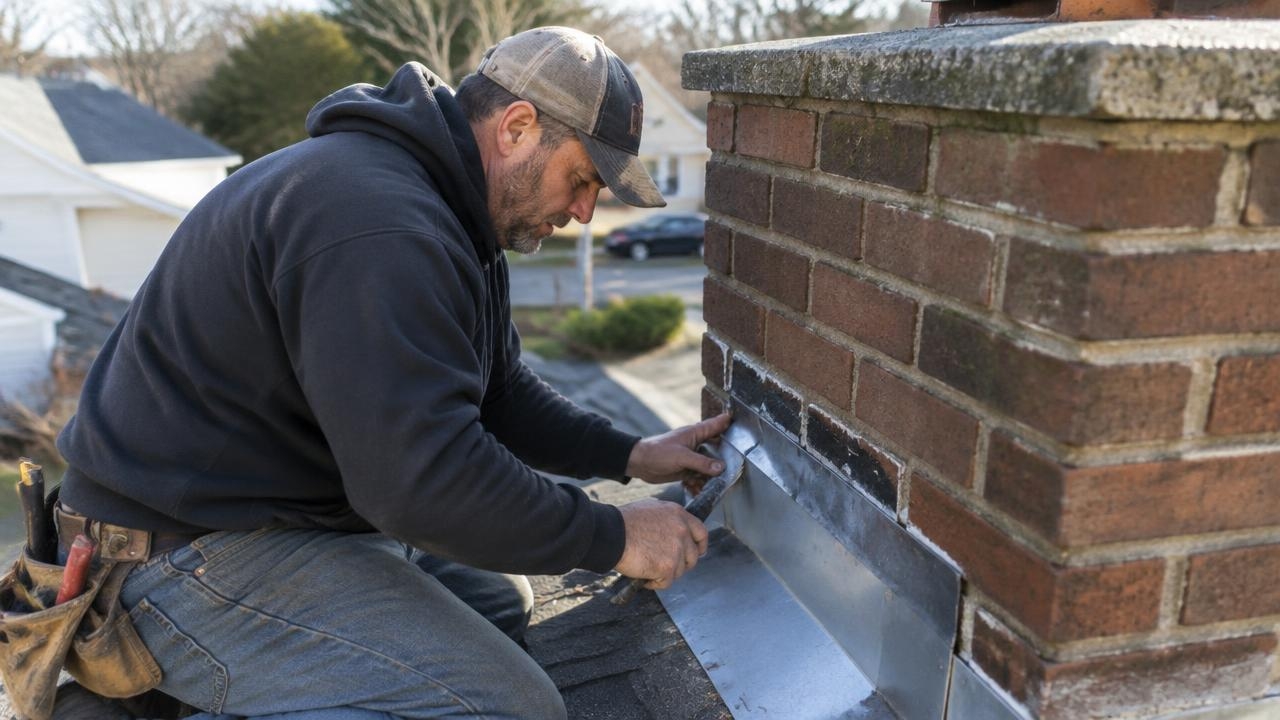
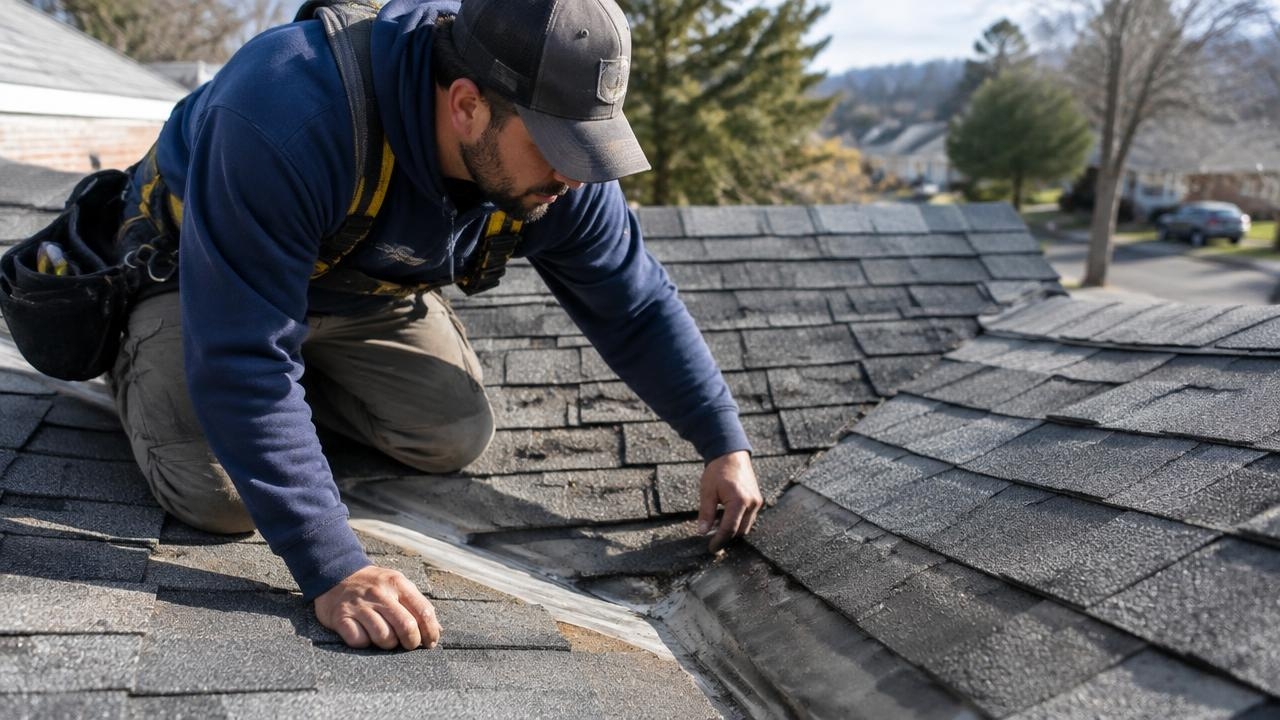
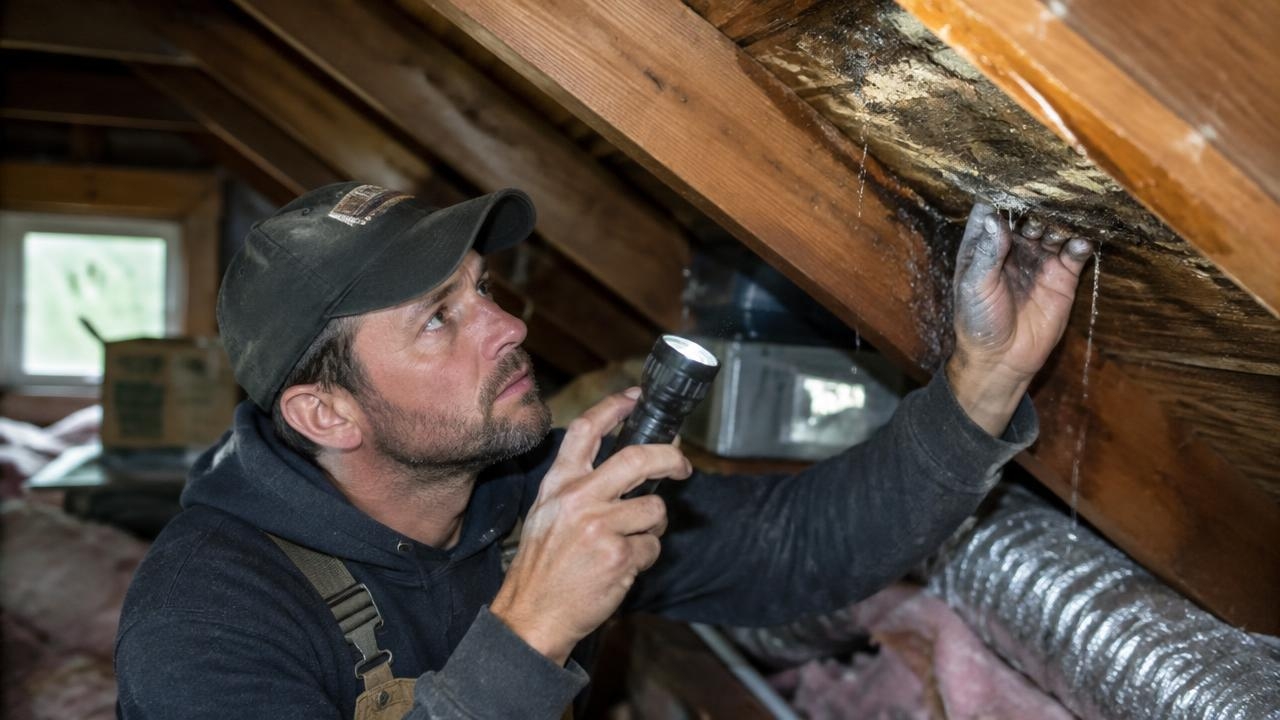
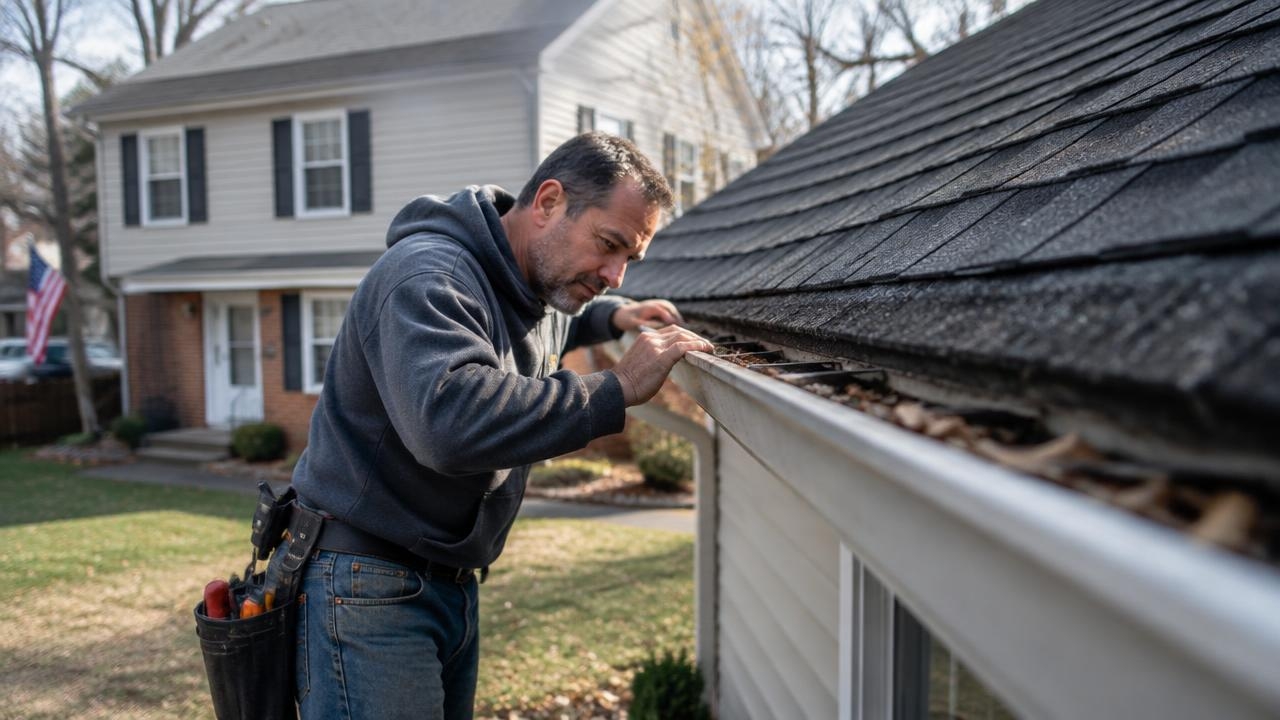
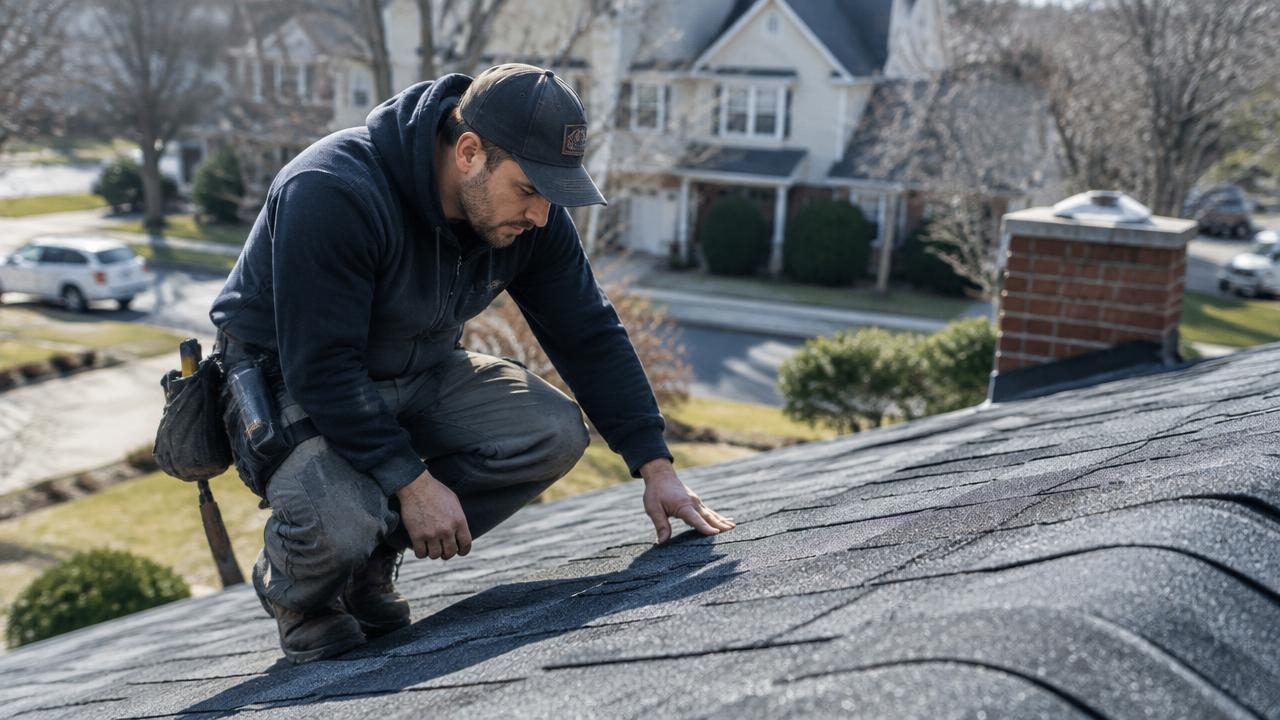
A roof repair starts with finding the real source of the problem. Water that shows up on a Clifton ceiling rarely enters directly above the stain — it travels along decking, under shingles, and down framing before it drips. Our roofers trace the leak path from the attic out, check the flashing, valleys, vents, and chimney, and then make the repair that actually stops it. That is the difference between roof fixing that lasts and a patch that fails the next storm.
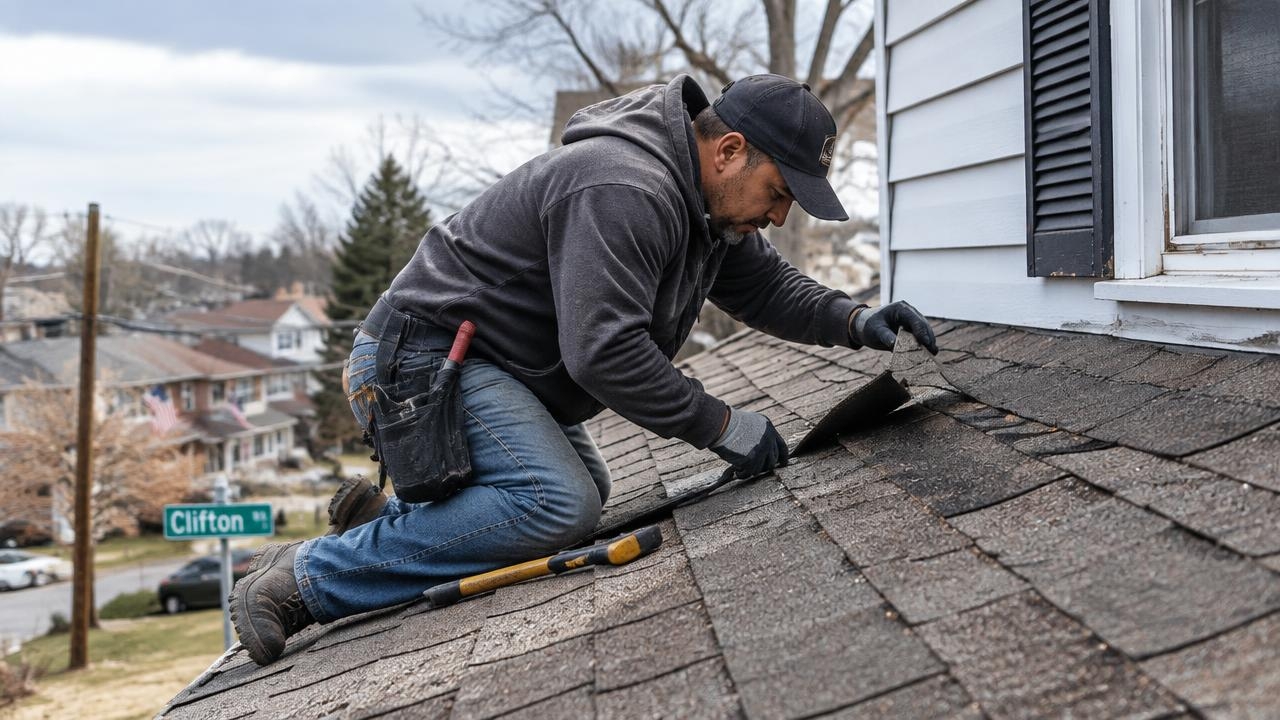
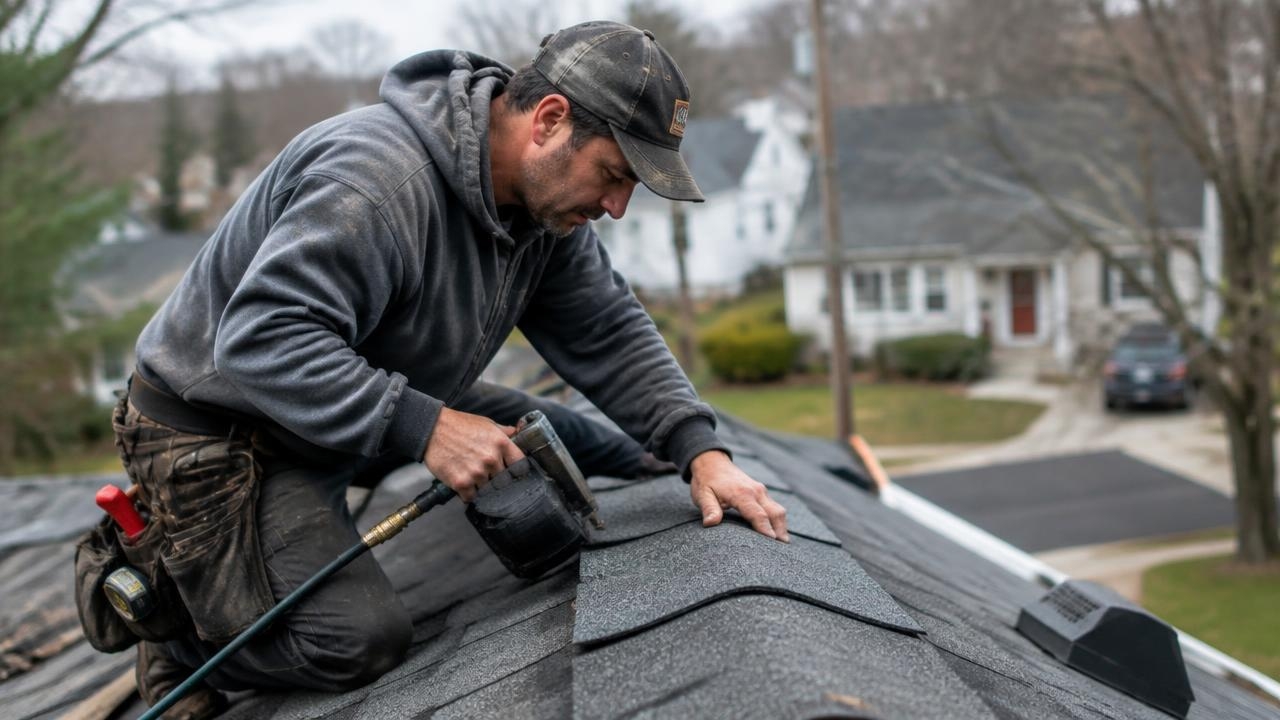
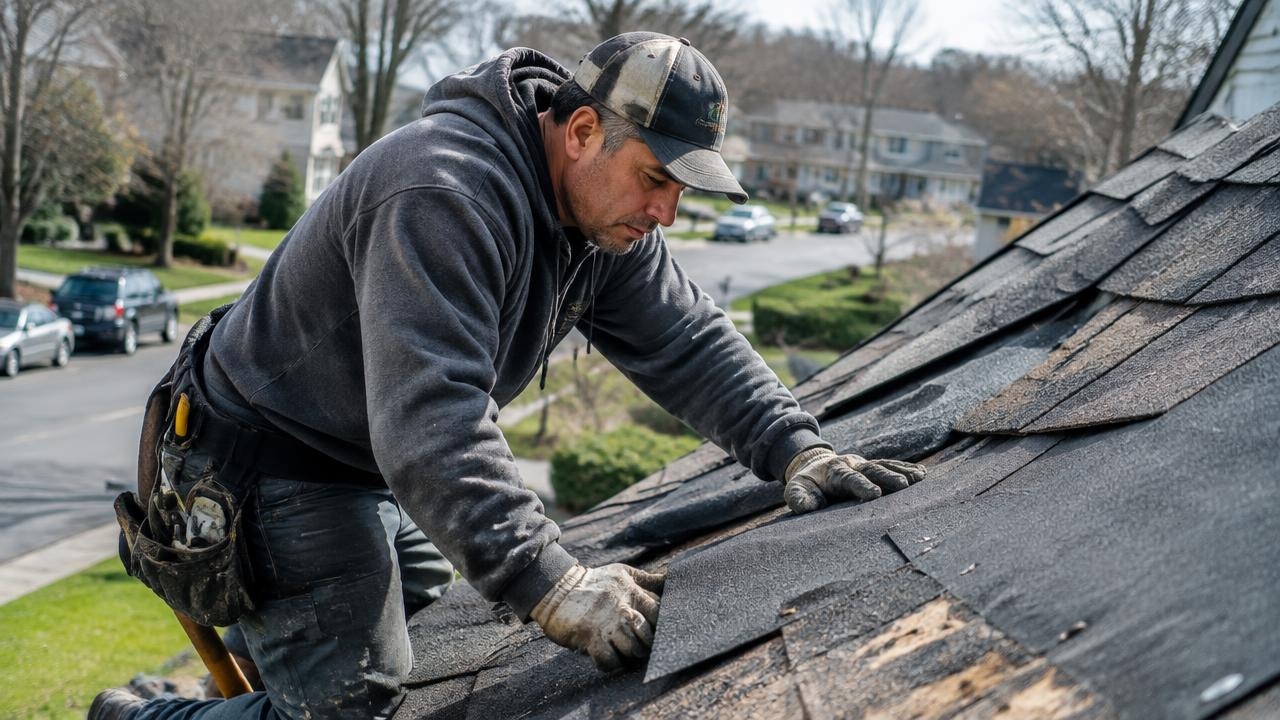
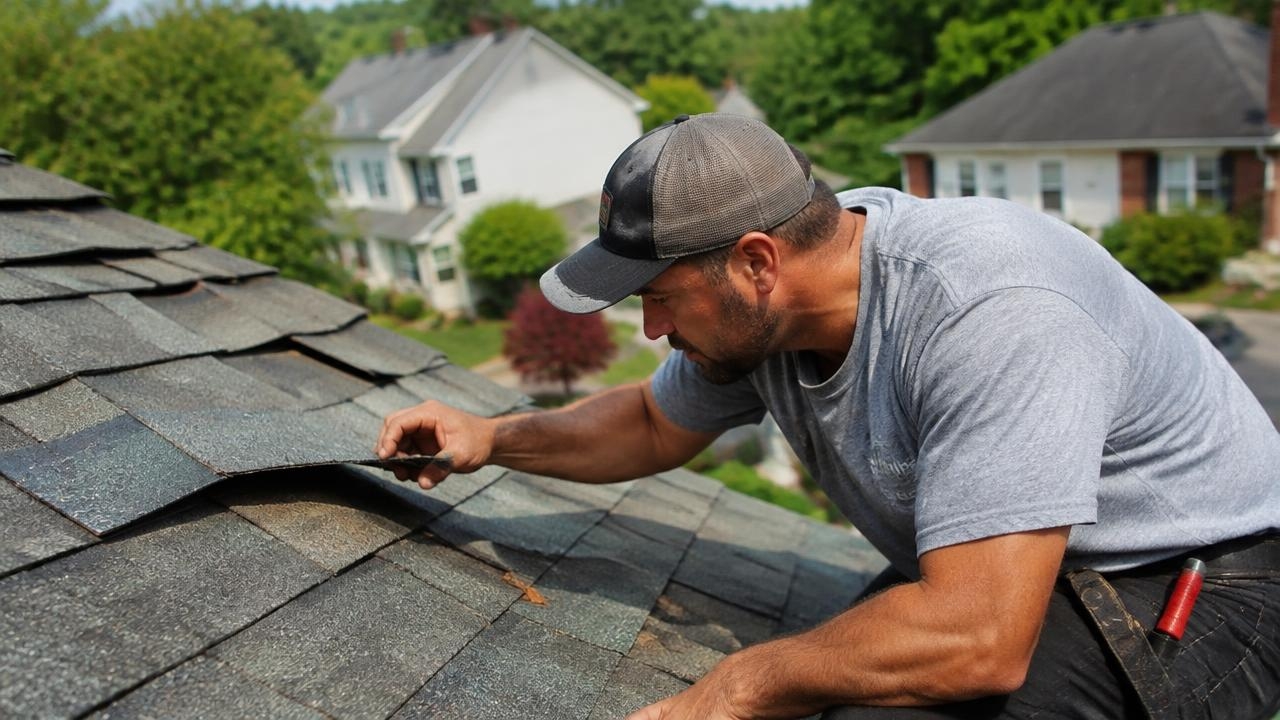
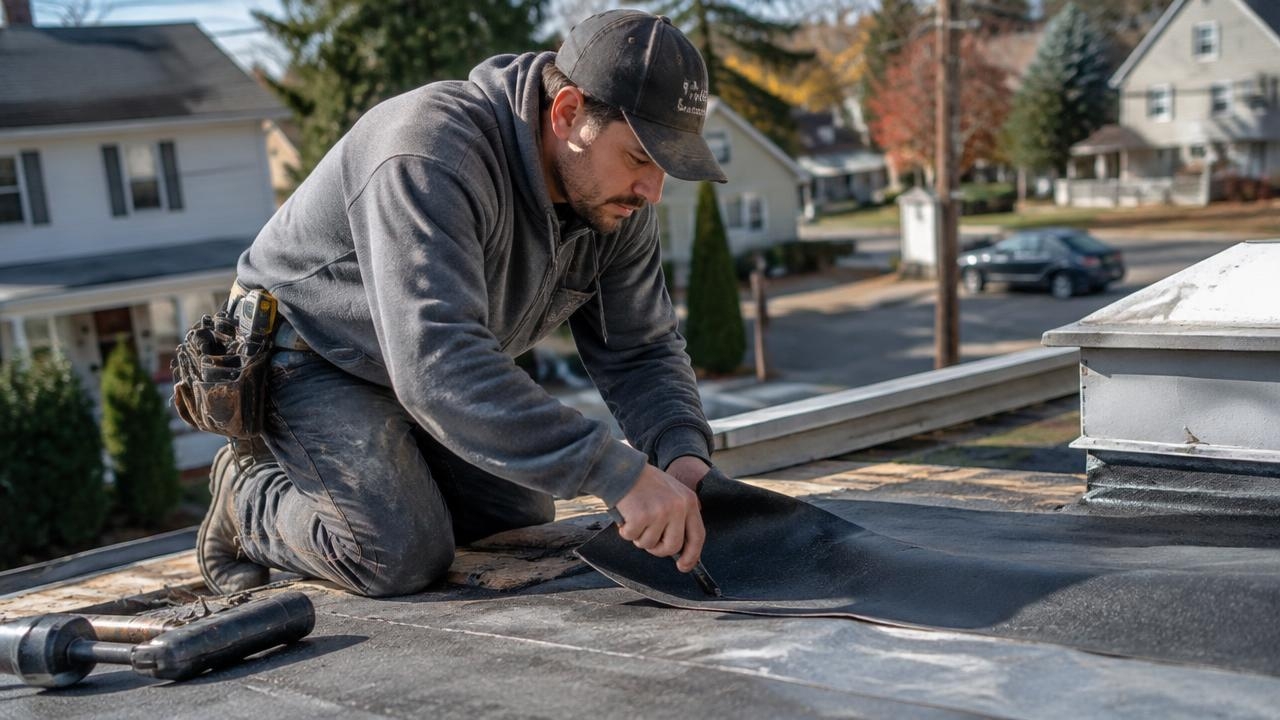
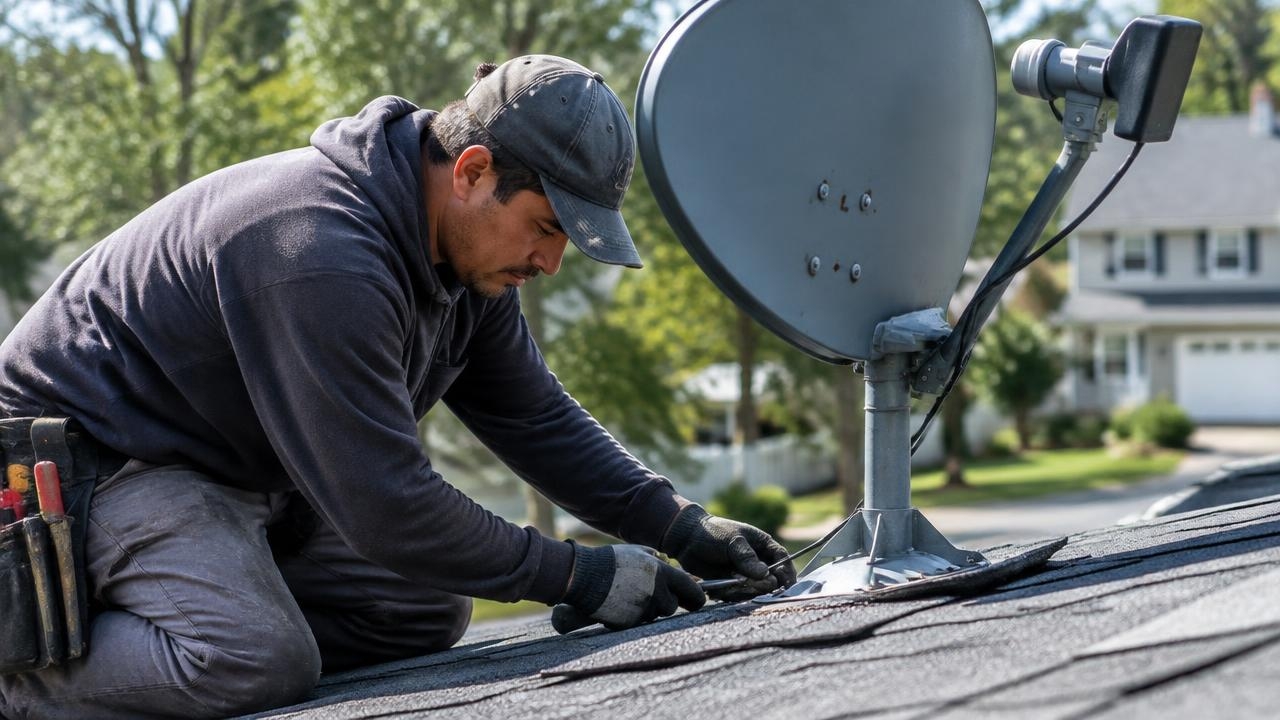
Most Clifton roof repairs fall into a handful of buckets: missing or lifted asphalt shingles, cracked pipe boots, failed flashing, leaky valleys, and flat-roof seams that have opened up. Each one has a right fix and a cheap fix. We do the right one, photograph it before and after, and tell you plainly how much life the rest of the roof has left.
How do I know if my roof needs fixing or replacing?
If the roof is under about fifteen years old and the damage is local — one slope, one flashing detail, one leak — repairs are usually the smart money. When shingles are curling across every slope, granules fill the gutters, and the drip keeps moving, a repair becomes good money after bad. A straight inspection answers it: age, shingle condition, decking condition, and how many layers are already up there.
Leak repair that finds the real source
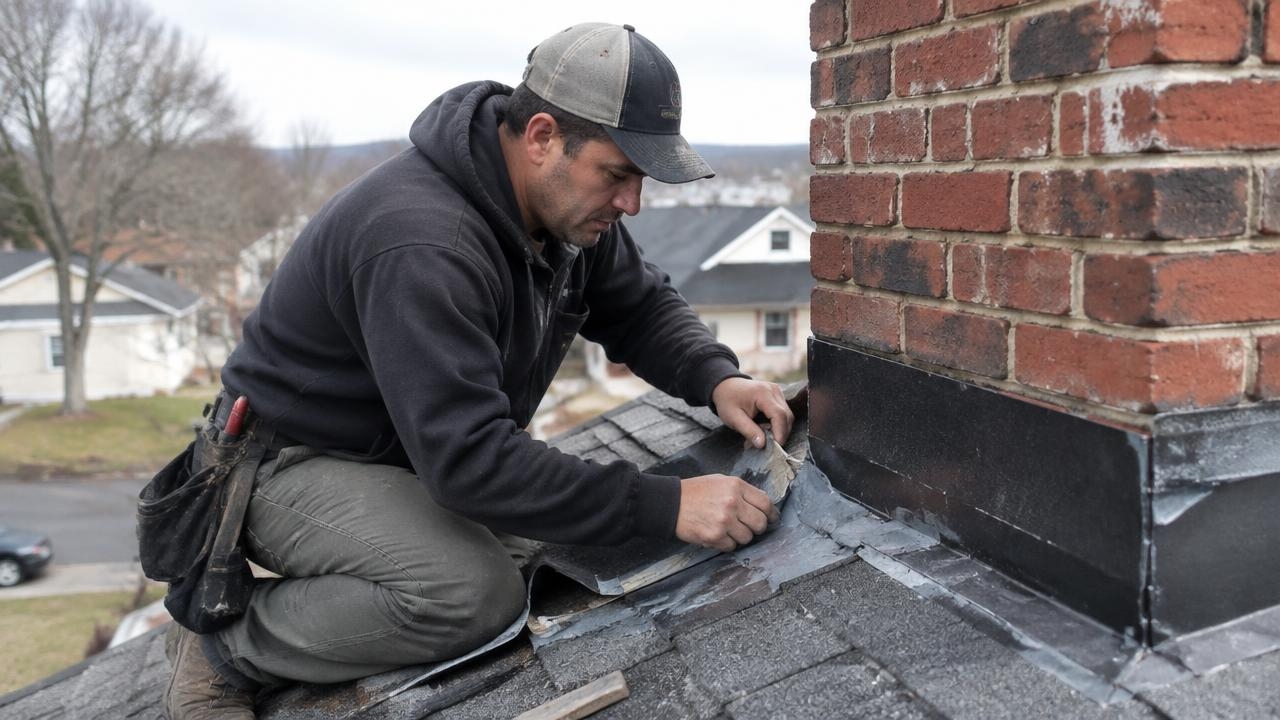
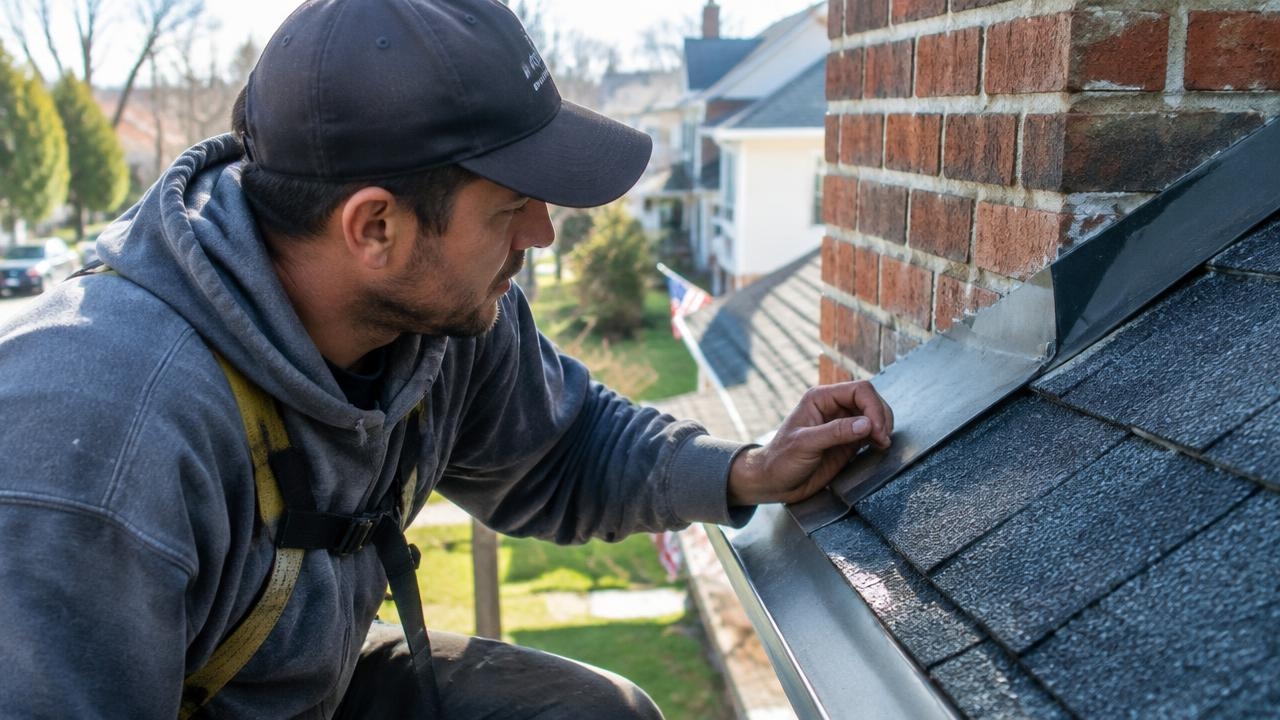
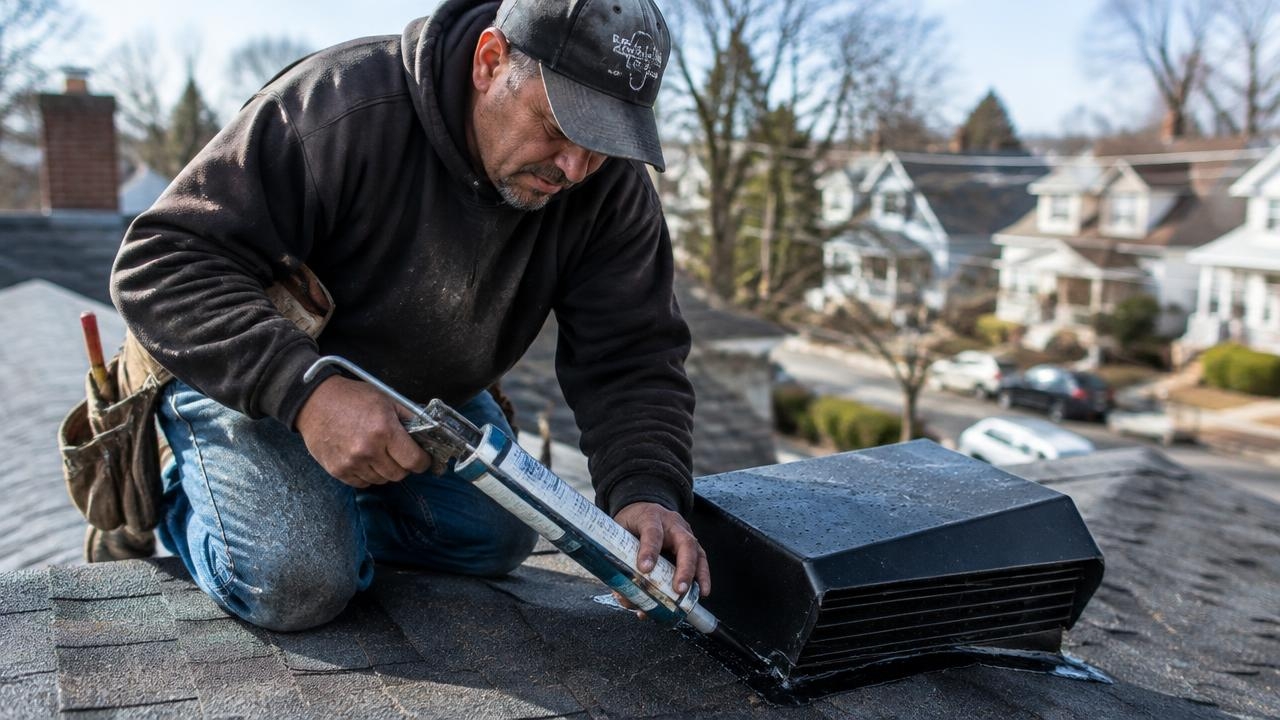
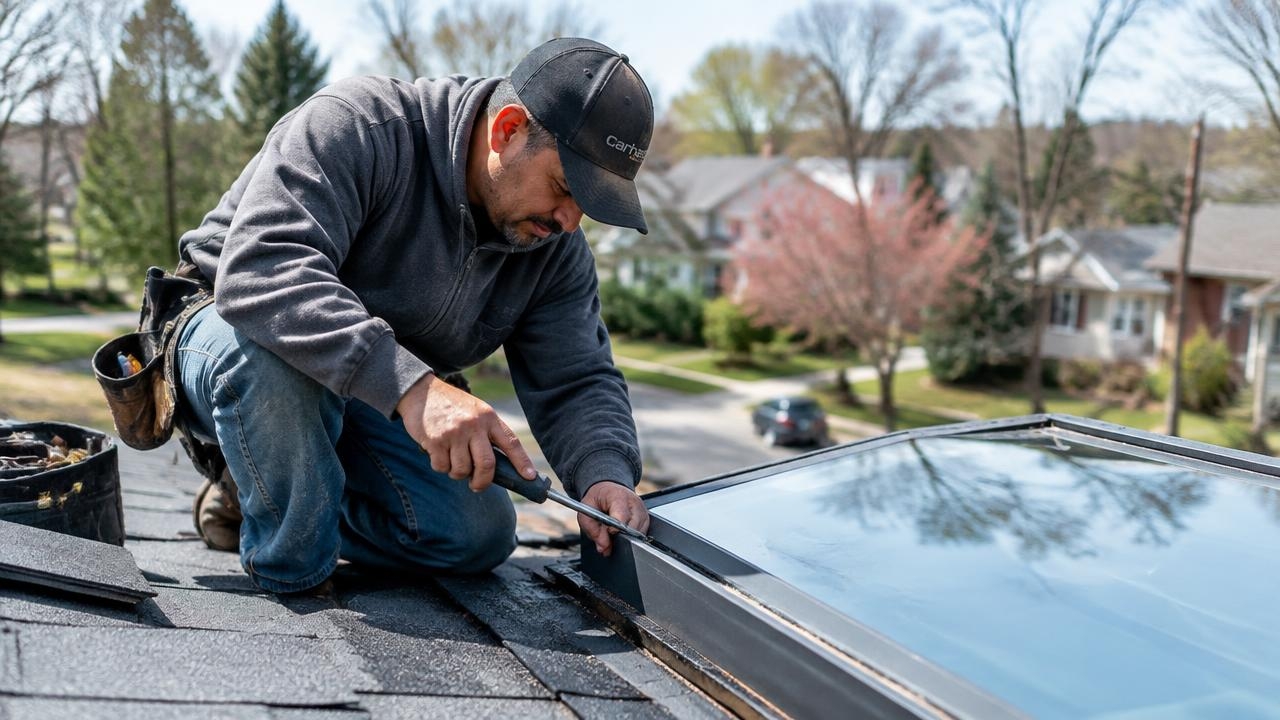
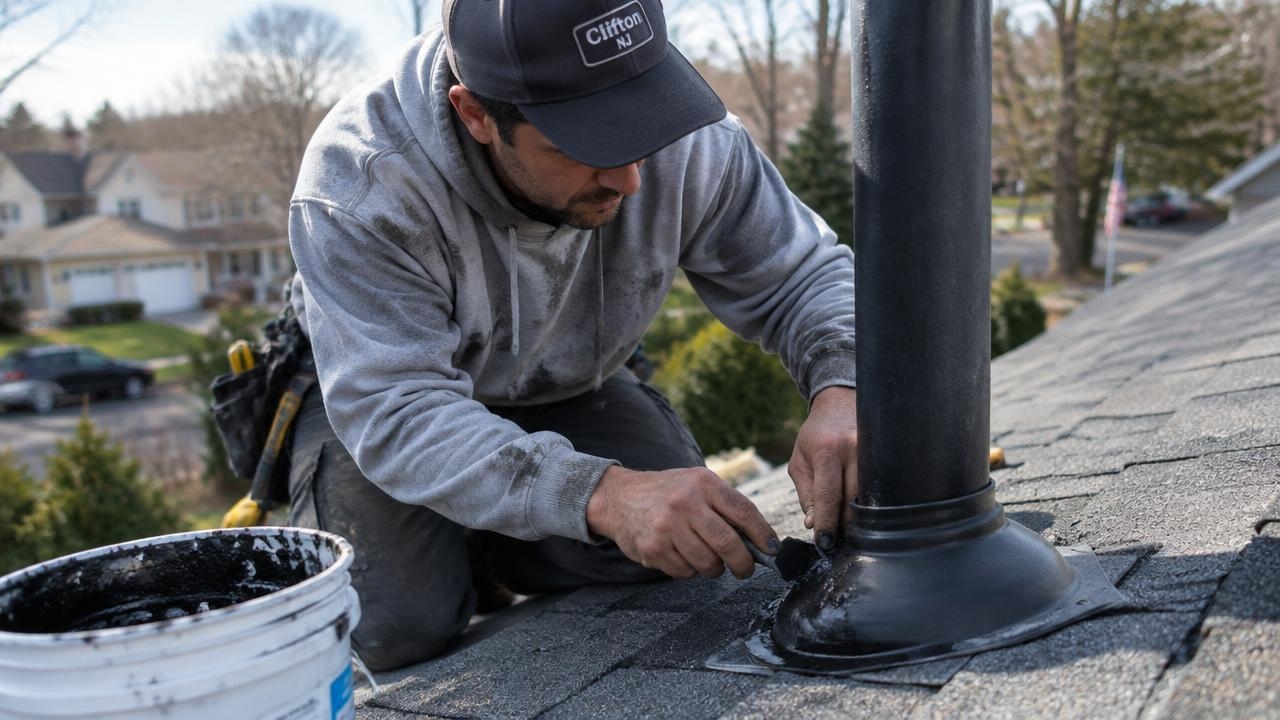
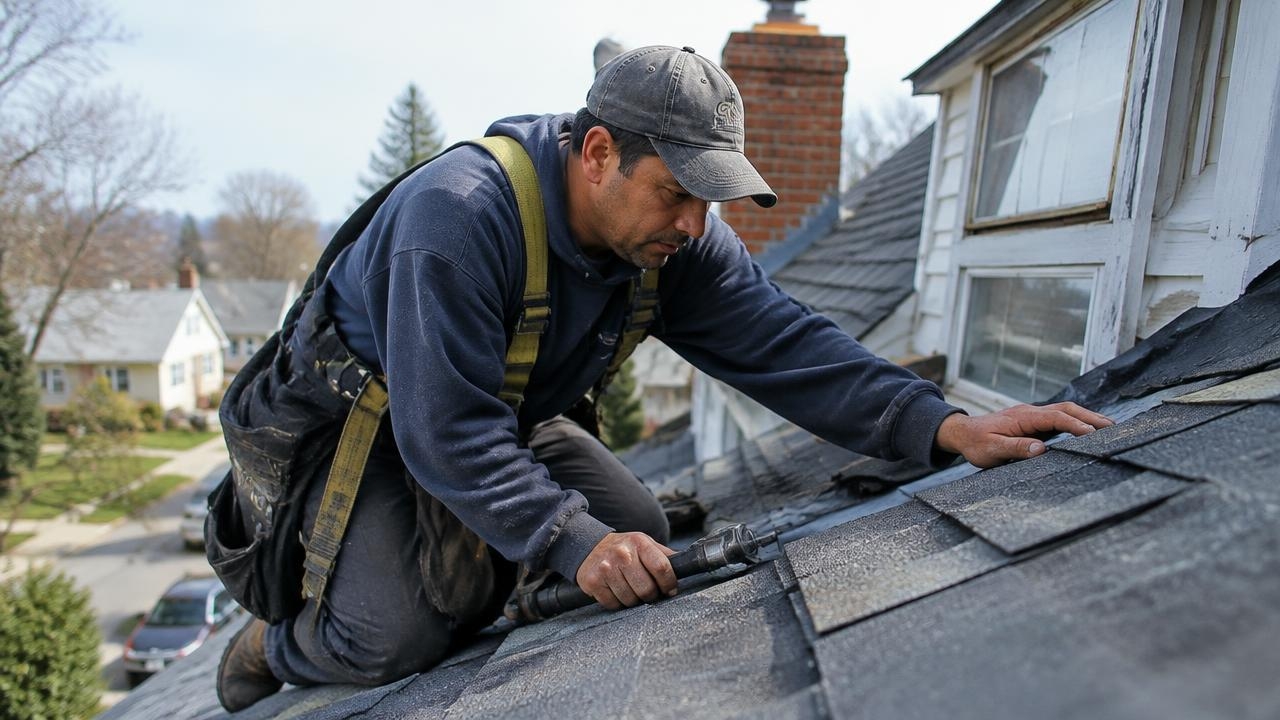
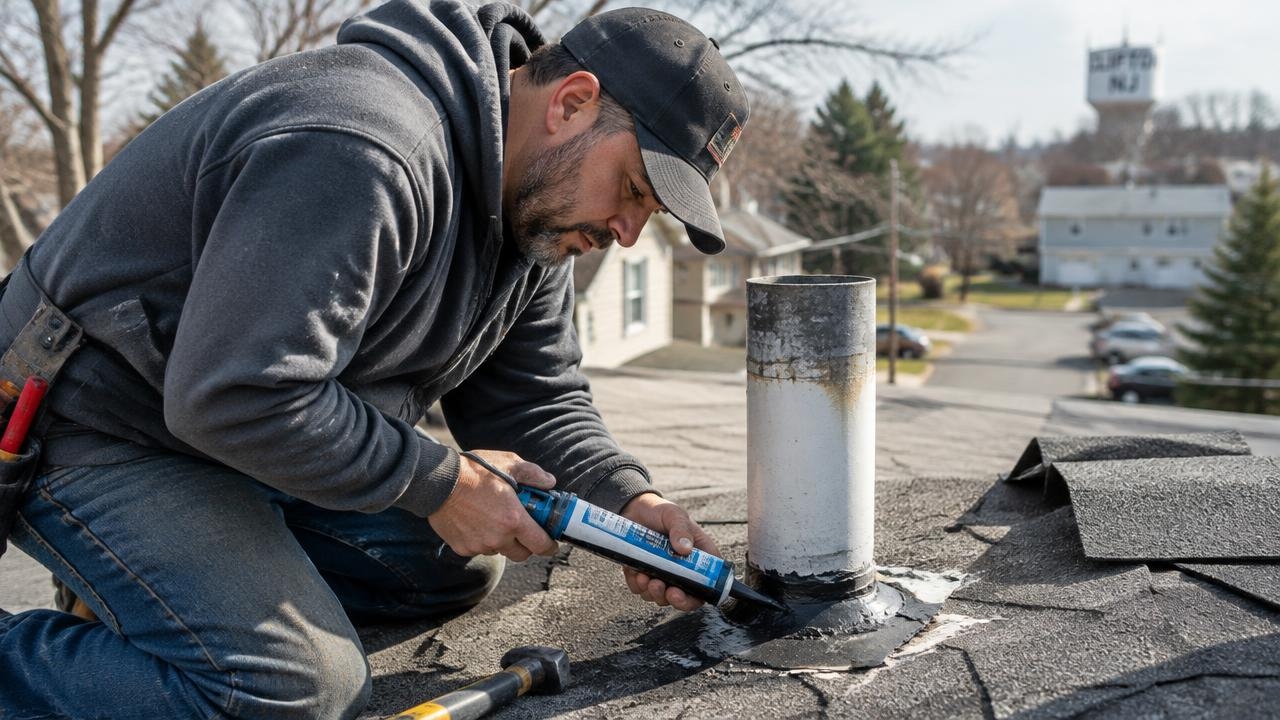
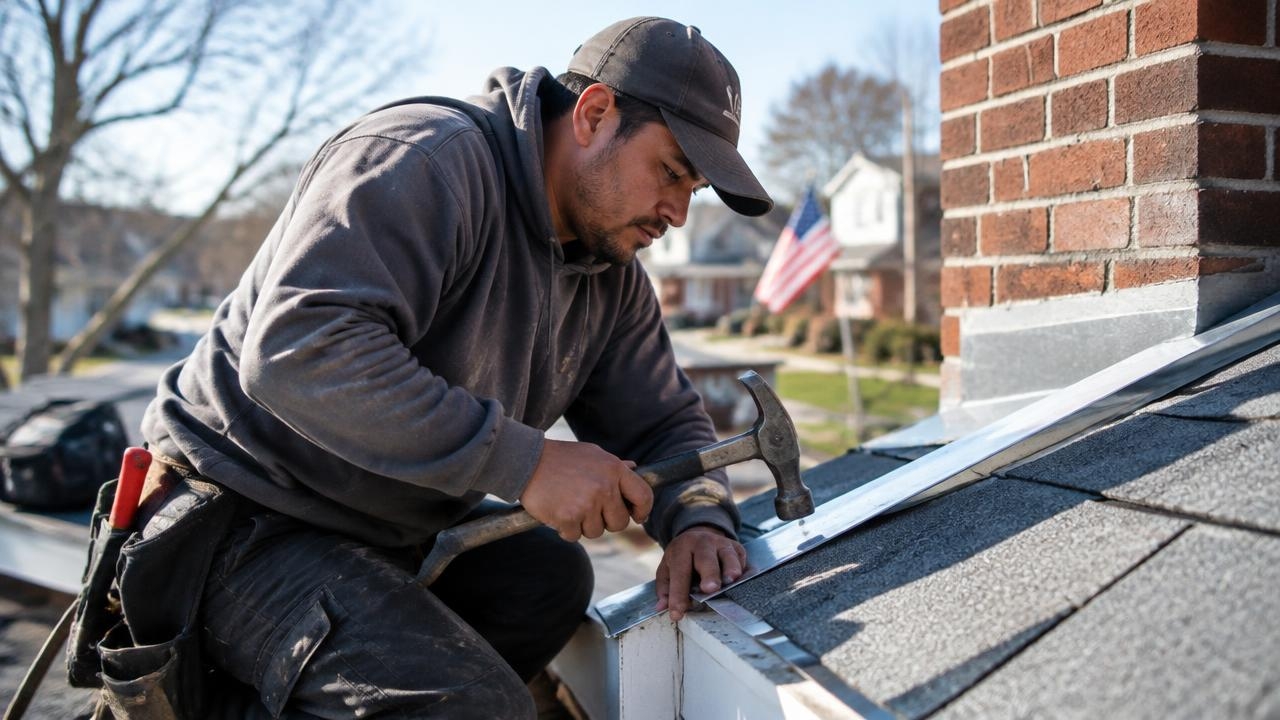
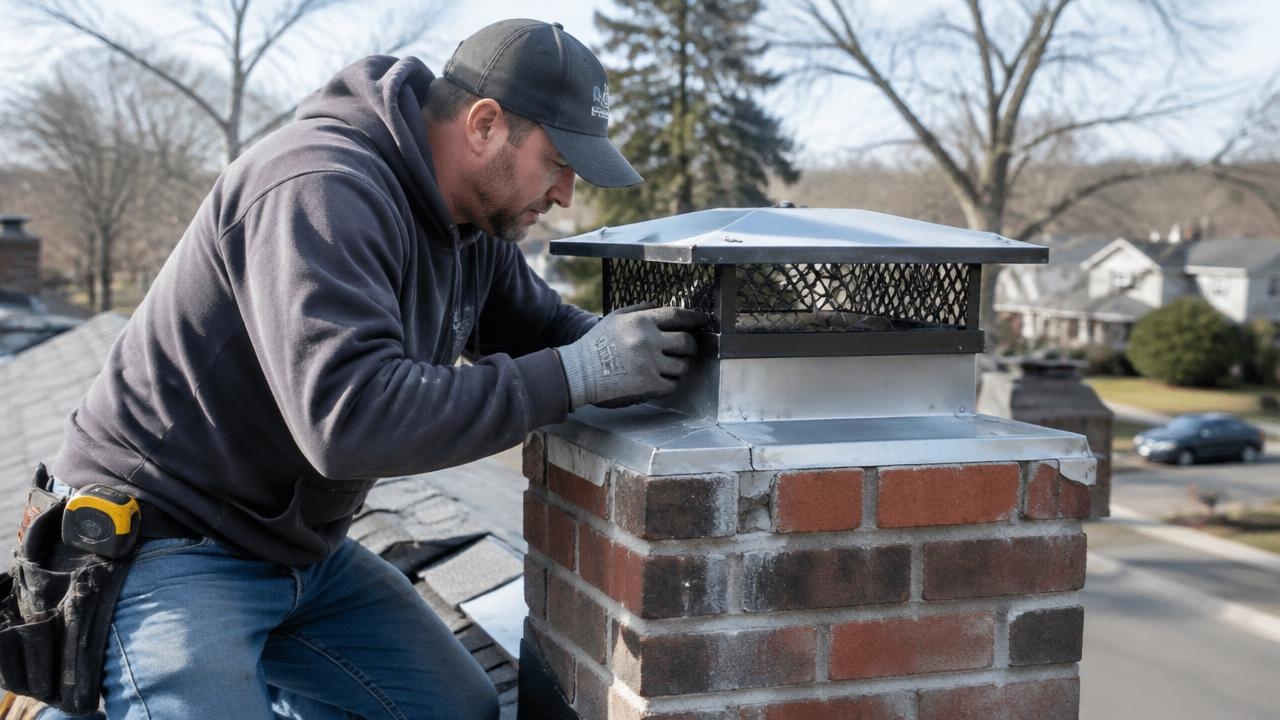
Roof leak repair is the call we get most. In Clifton's housing stock — colonials, cape cods, split-levels, and a lot of post-war homes — the usual suspects are flashing that has separated, step flashing along dormers, and vent boots that have cracked with age. We open the minimum area needed, replace what failed, re-seal, and water-test before we leave.
What does roofing work cost?
Honest answer: it depends on access, pitch, material, and how long the leak ran before it was found. A single boot or flashing repair is a small job; rot that reached the decking is not. You get the number in writing, with photos, before the job starts. That is how a roofing estimate should read — no invented prices on a sample page, and no pressure either way.
Emergency roof help after a storm
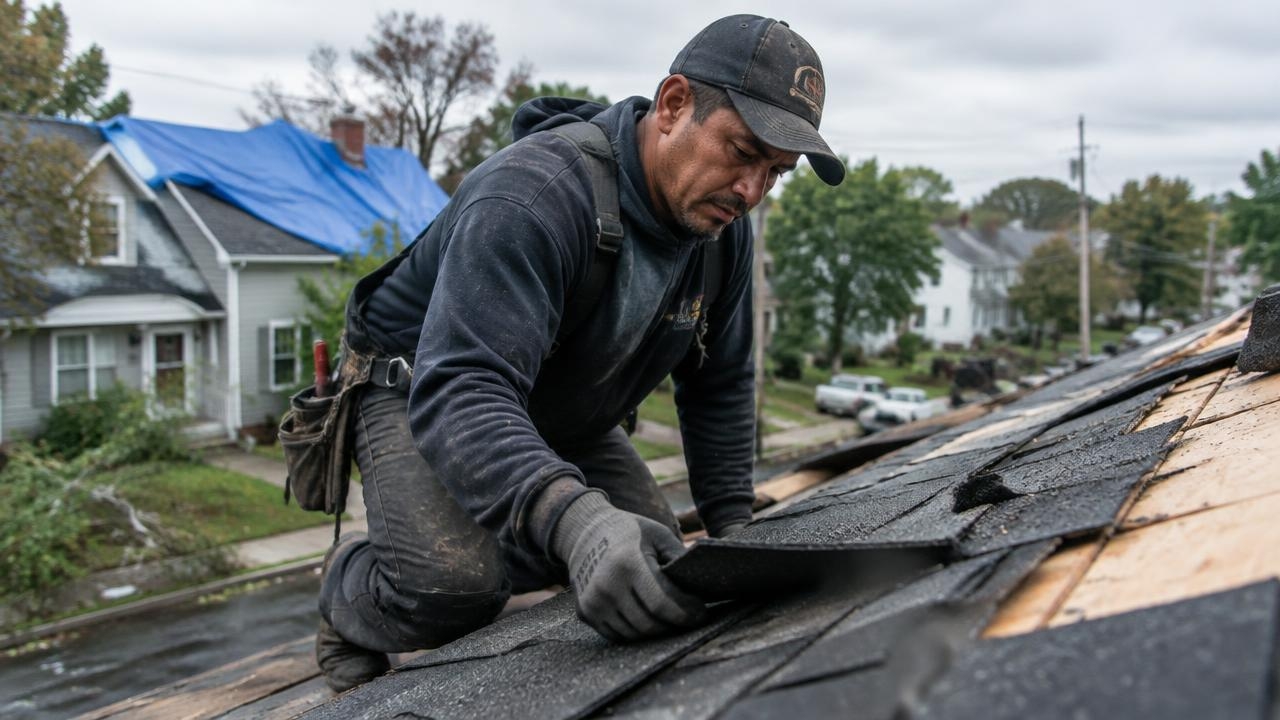
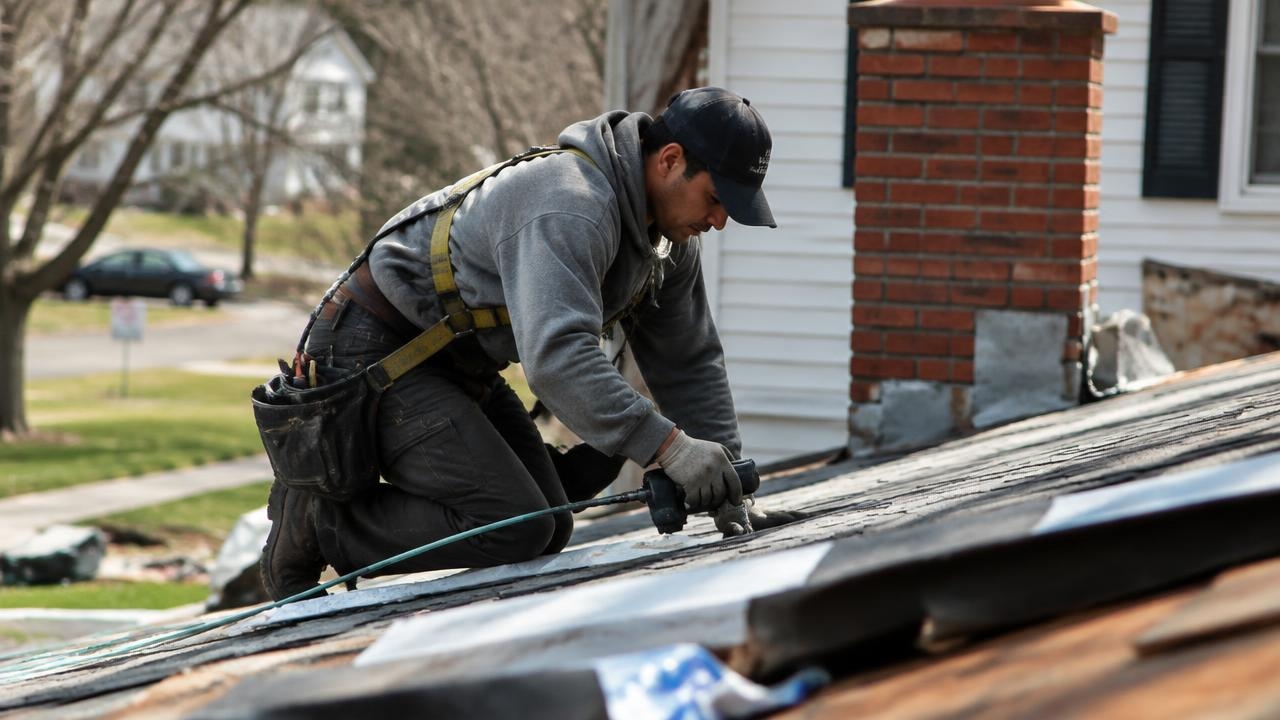
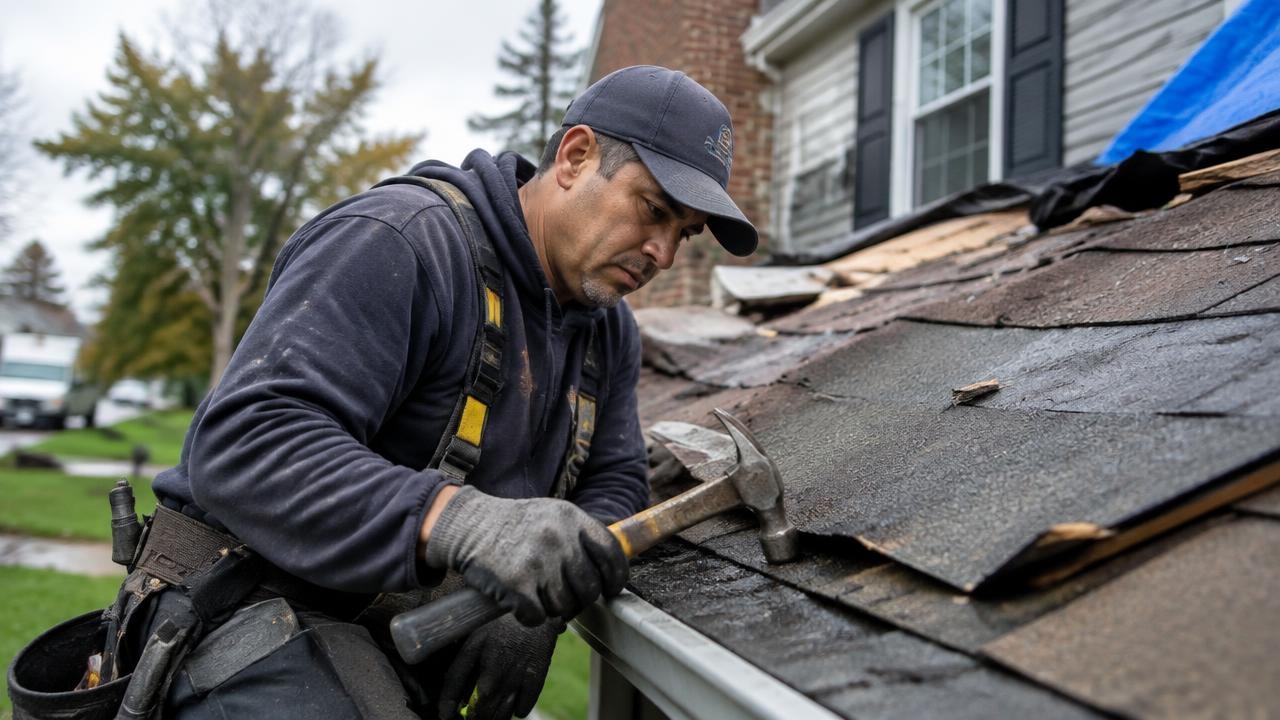
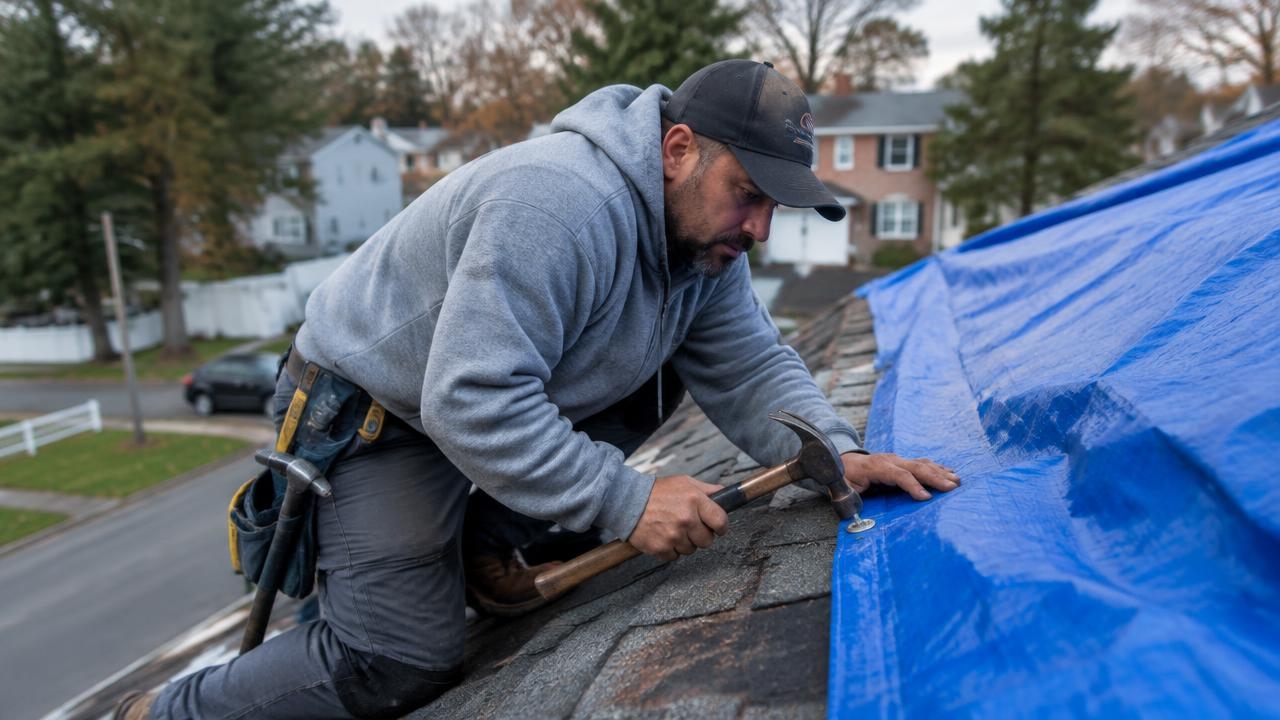
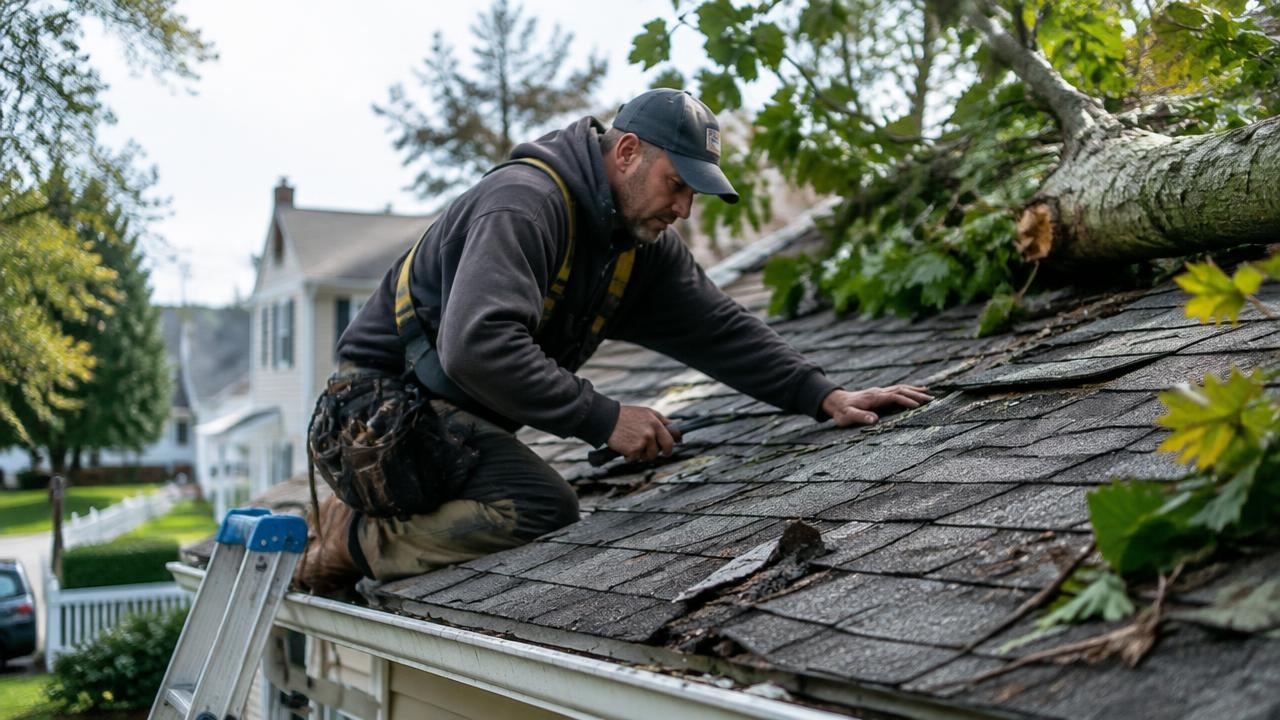
When a tree comes down or a storm peels a section back, the first job is making the home watertight — tarping, temporary sealing, and drying in — then the permanent repair once weather allows. Emergency roof repairs are triage first, craftsmanship second, paperwork throughout, because insurance claims run on documentation.
What kinds of roofing do you work on?
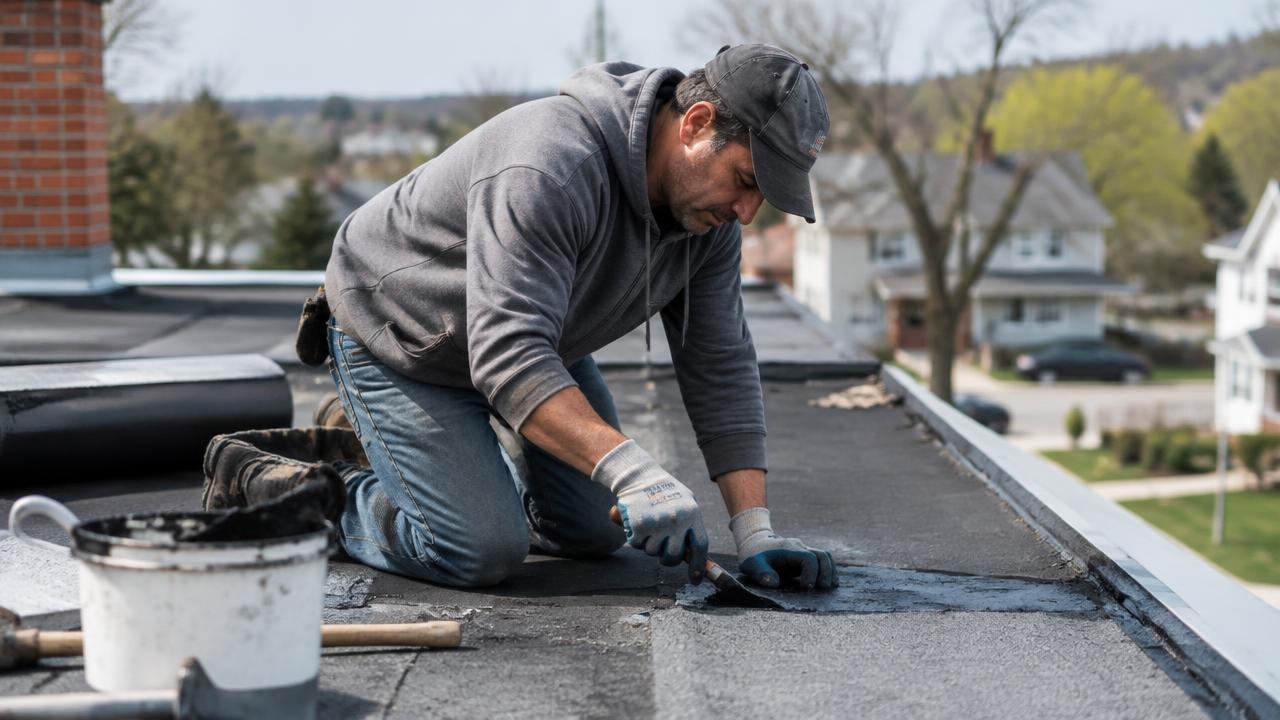
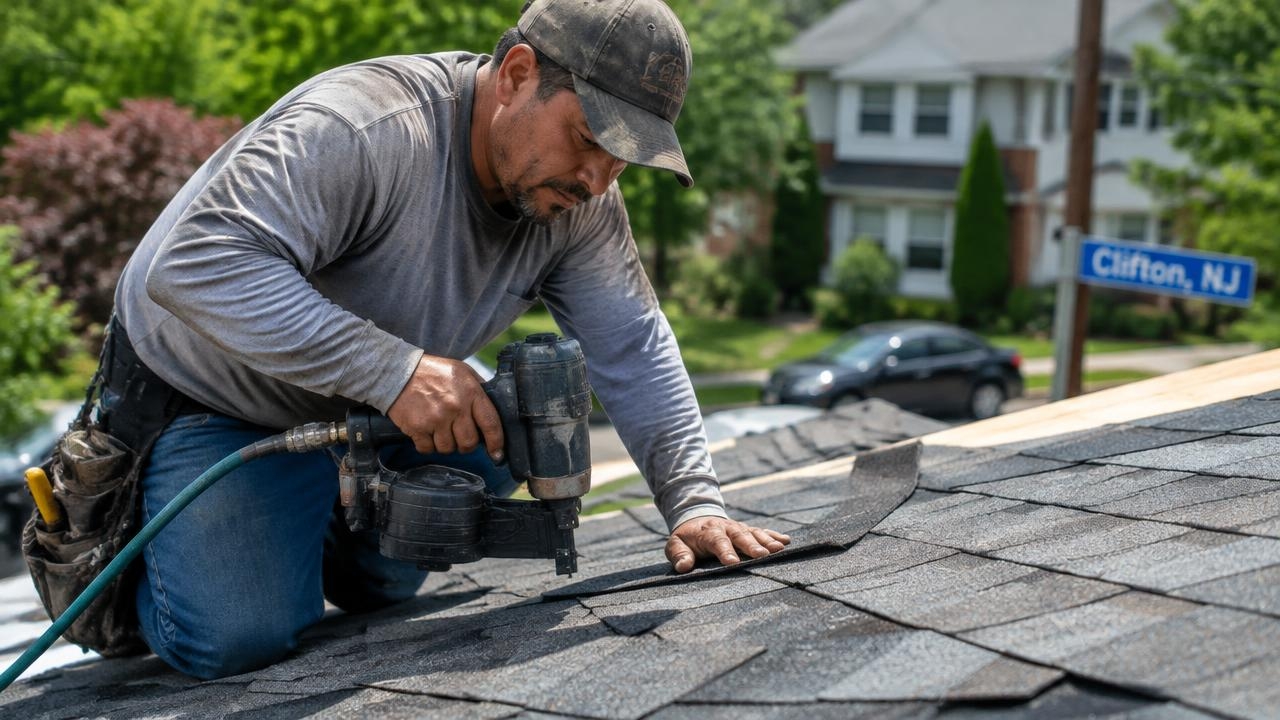
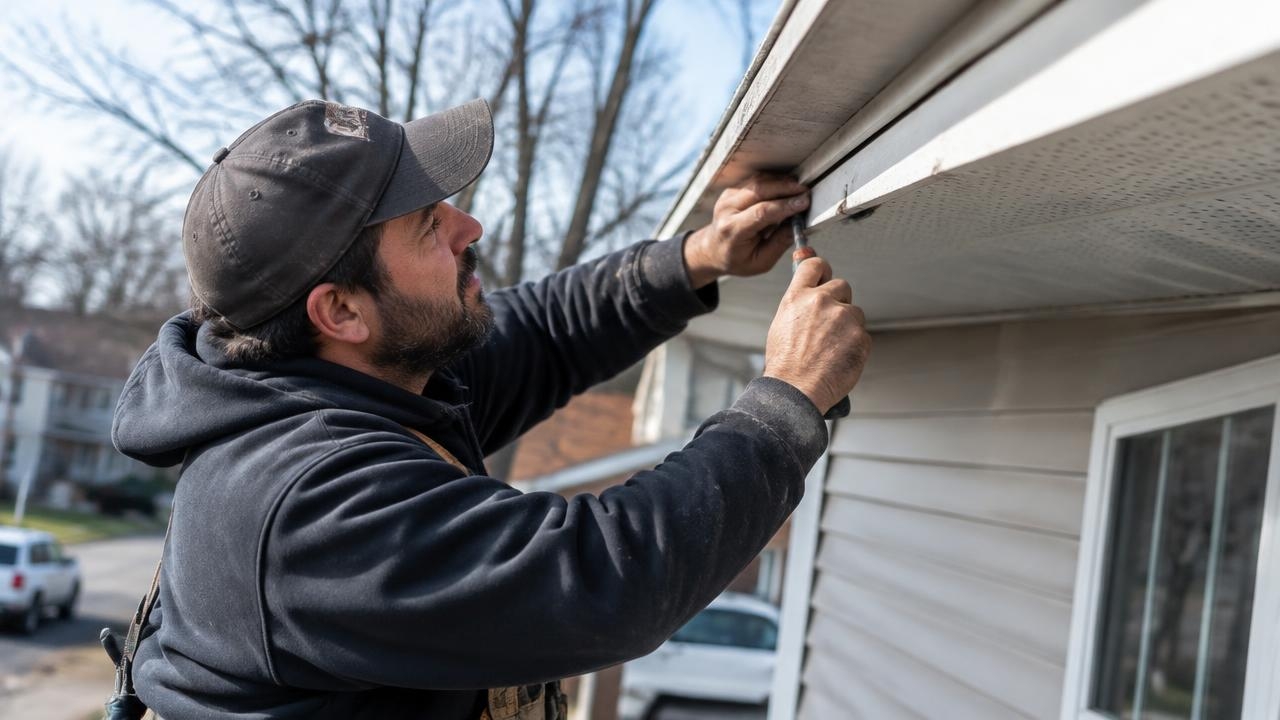
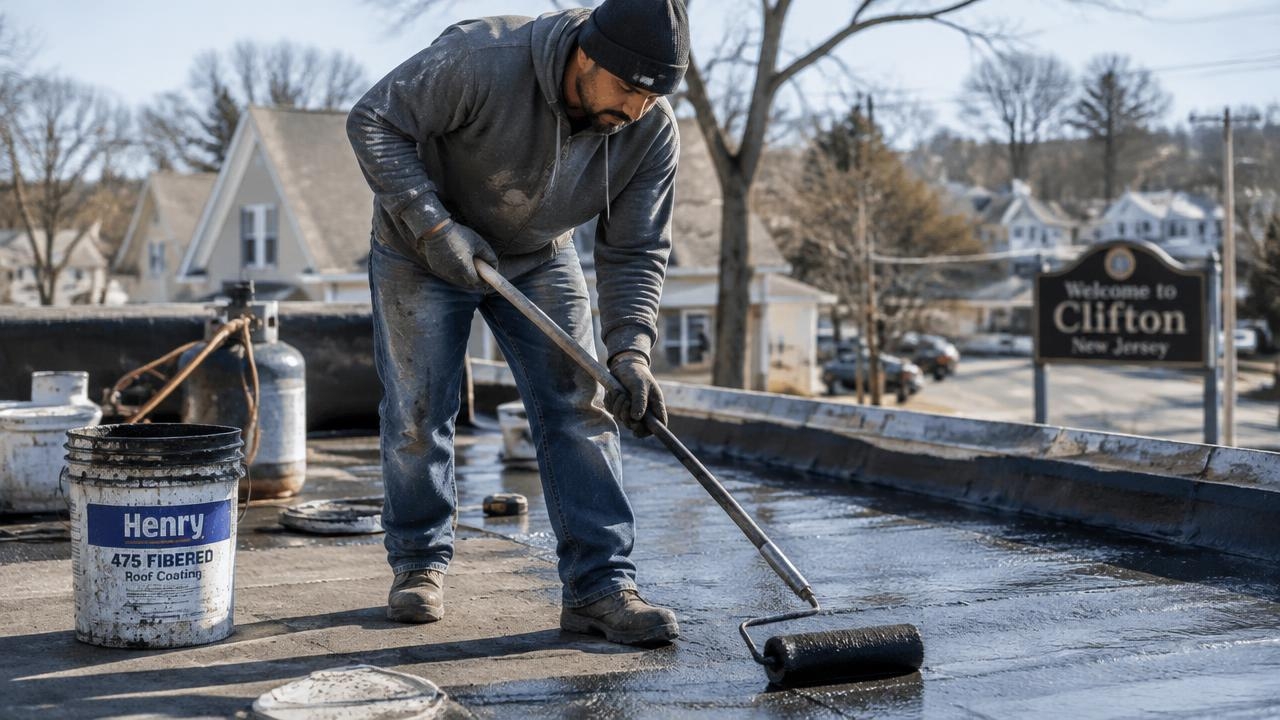
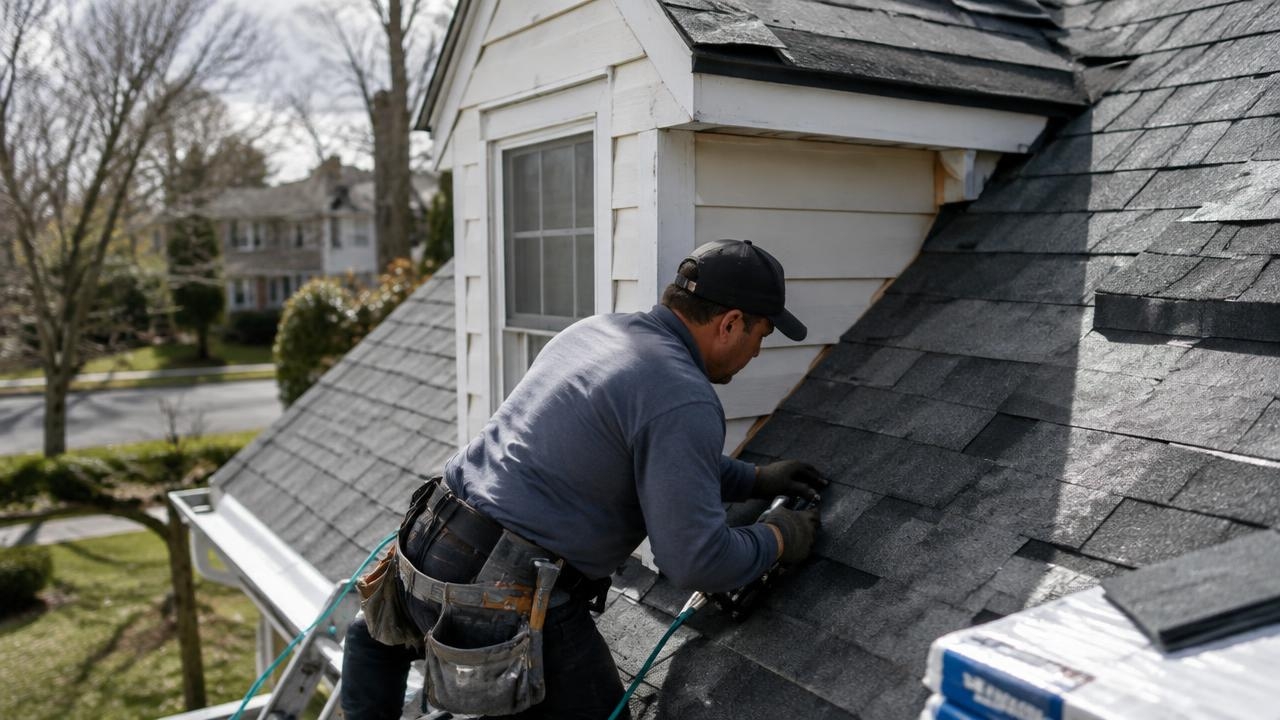
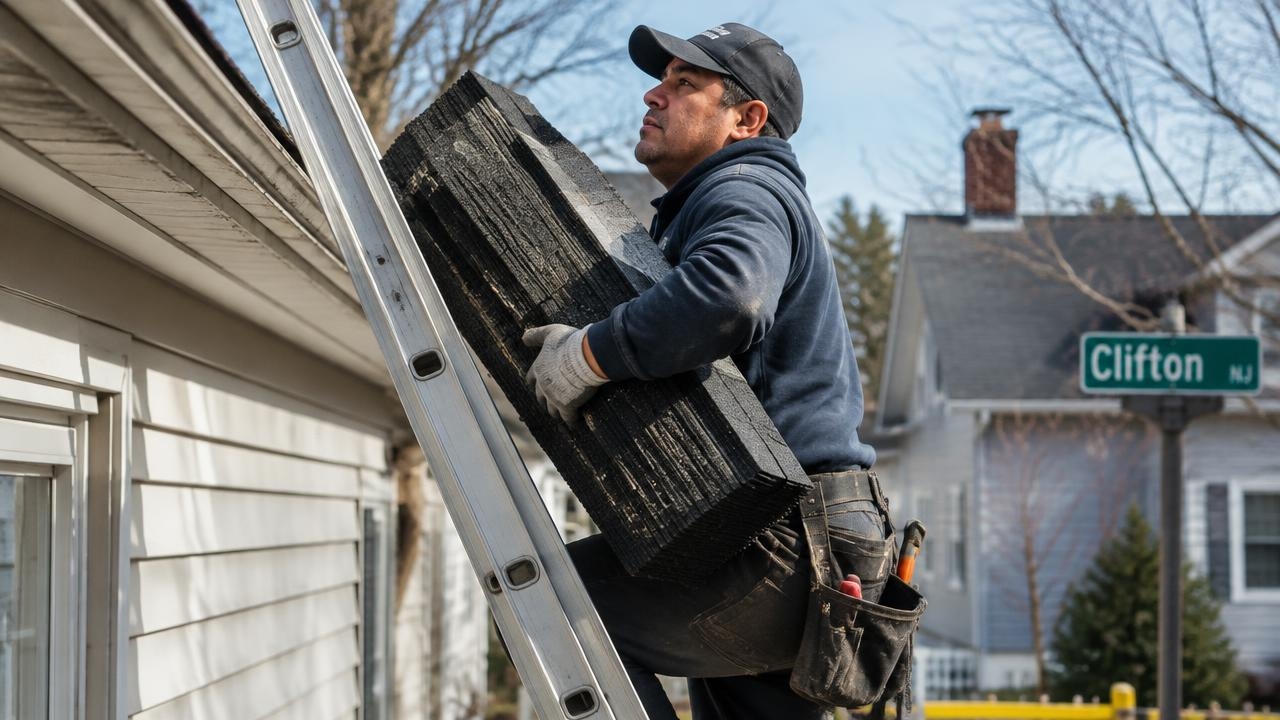
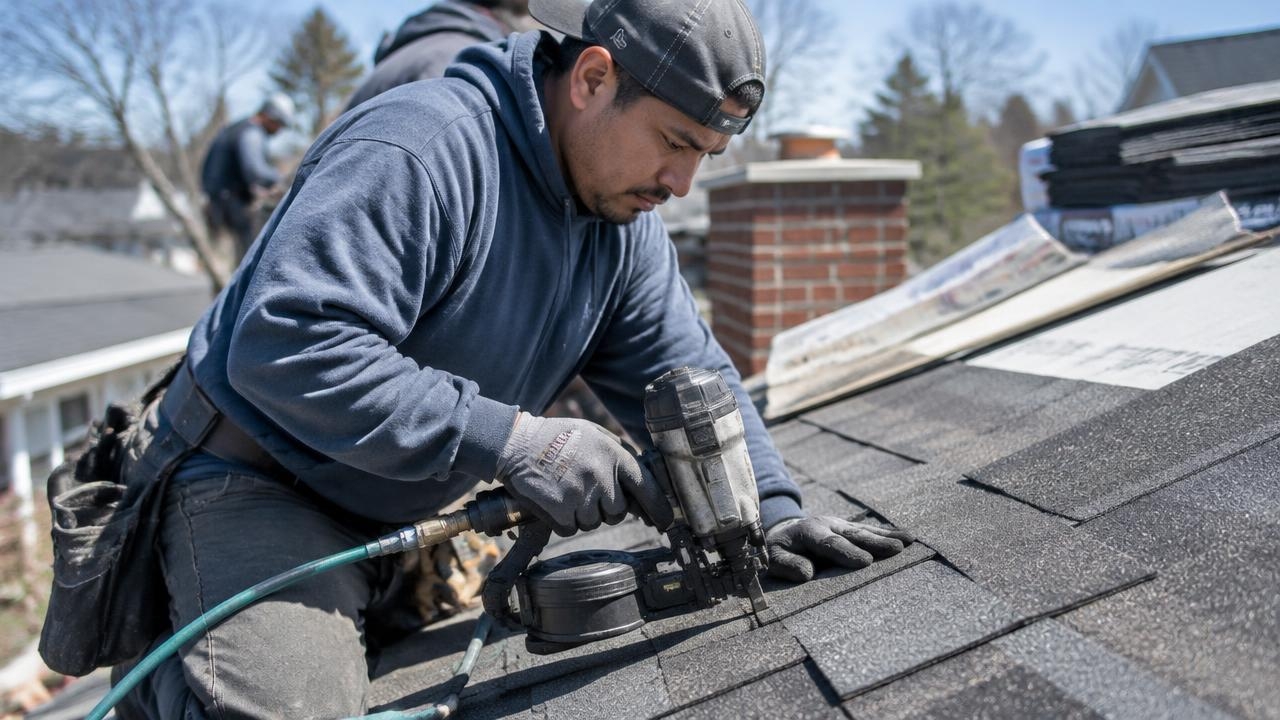
Asphalt shingle roofs are most of Clifton, and most of our repair jobs: three-tab and architectural shingles, ridge caps, and hip and valley details. We also repair flat and low-slope sections — porches, additions, and garages — where ponding water and open seams cause the classic Clifton ceiling stain. Metal roof details, gutters that pull away from the fascia, and masonry crowns round out a typical week of roofing in the real sense: small surfaces, steep pitches, and details that have to shed water.
How long does a roofing job take?
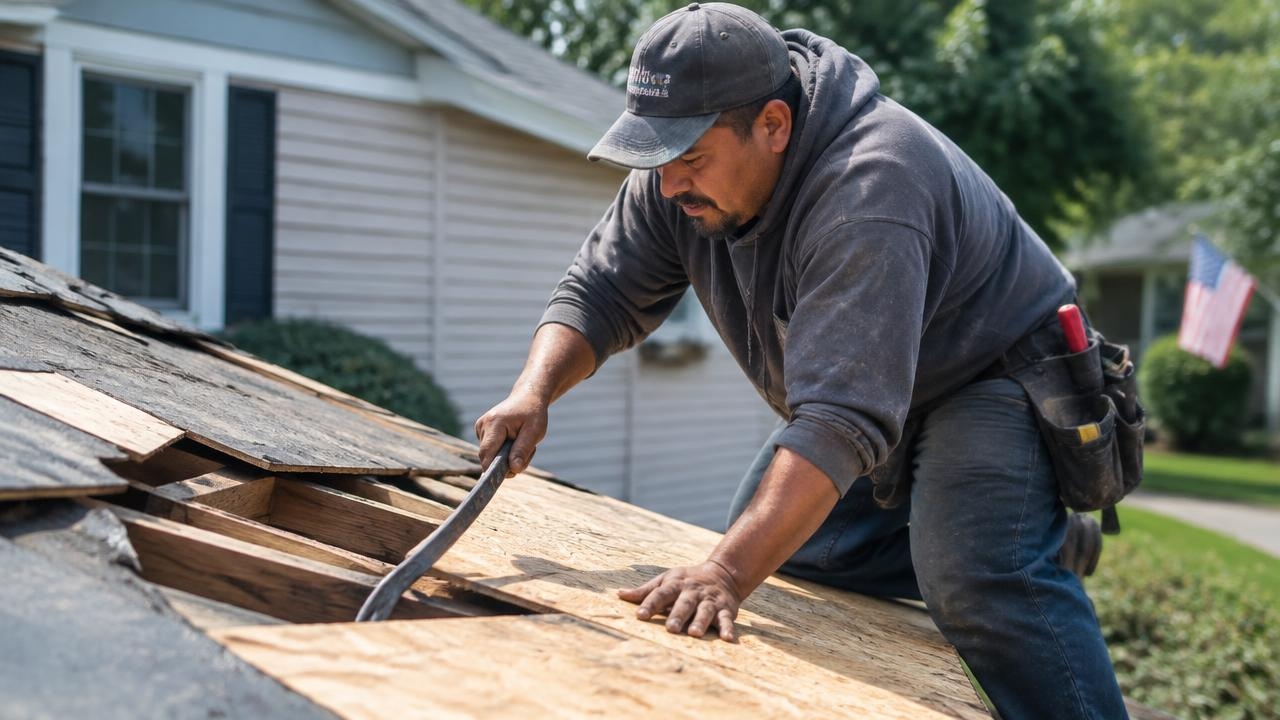
Most single-leak repairs are measured in hours, not days. Larger section jobs — replacing a valley, rebuilding a chimney cricket, swapping rotted decking — can run a day or two. You will know the schedule before we start, and the site is cleaned and magnet-swept for nails at the end of every visit.
Are roofing repairs guaranteed?
Workmanship should be guaranteed in writing, and the materials should carry the manufacturer's warranties with them. What we can say on a sample page is what the standard should be: if a repair we made leaks in the same spot, coming back and making it right is on us.
Small roofing jobs: patches and shingles, plus storm damage
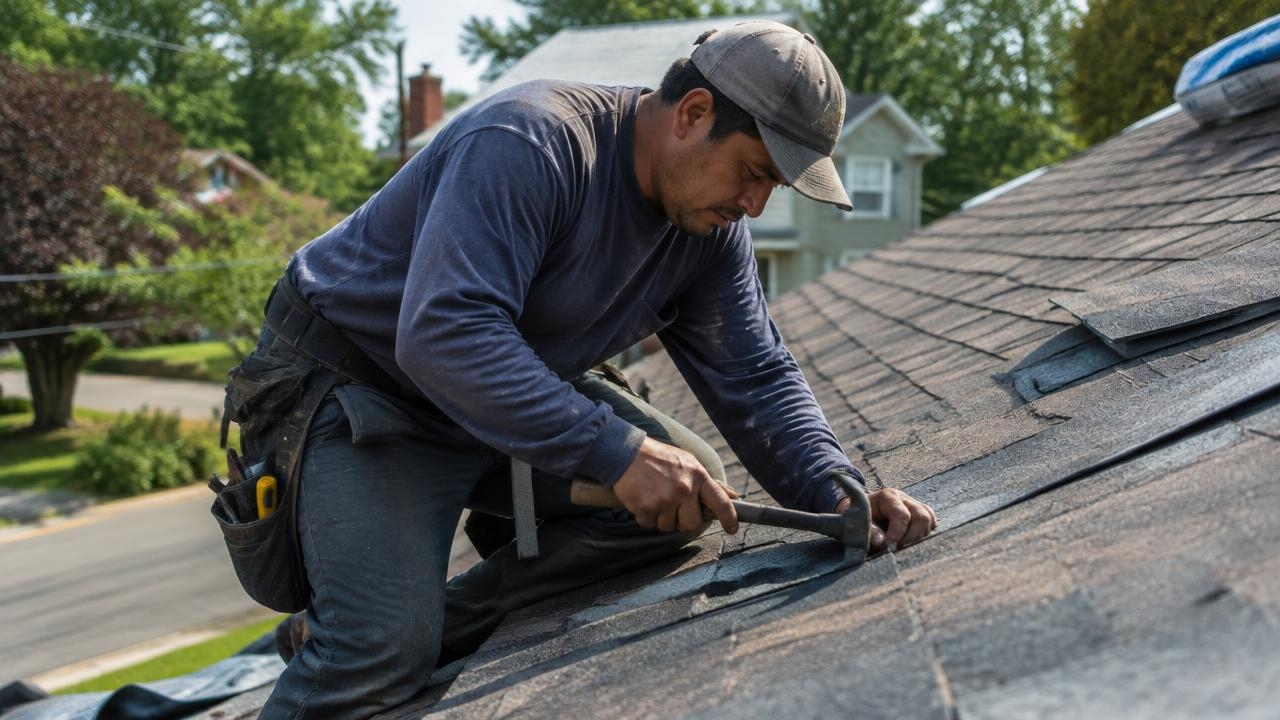
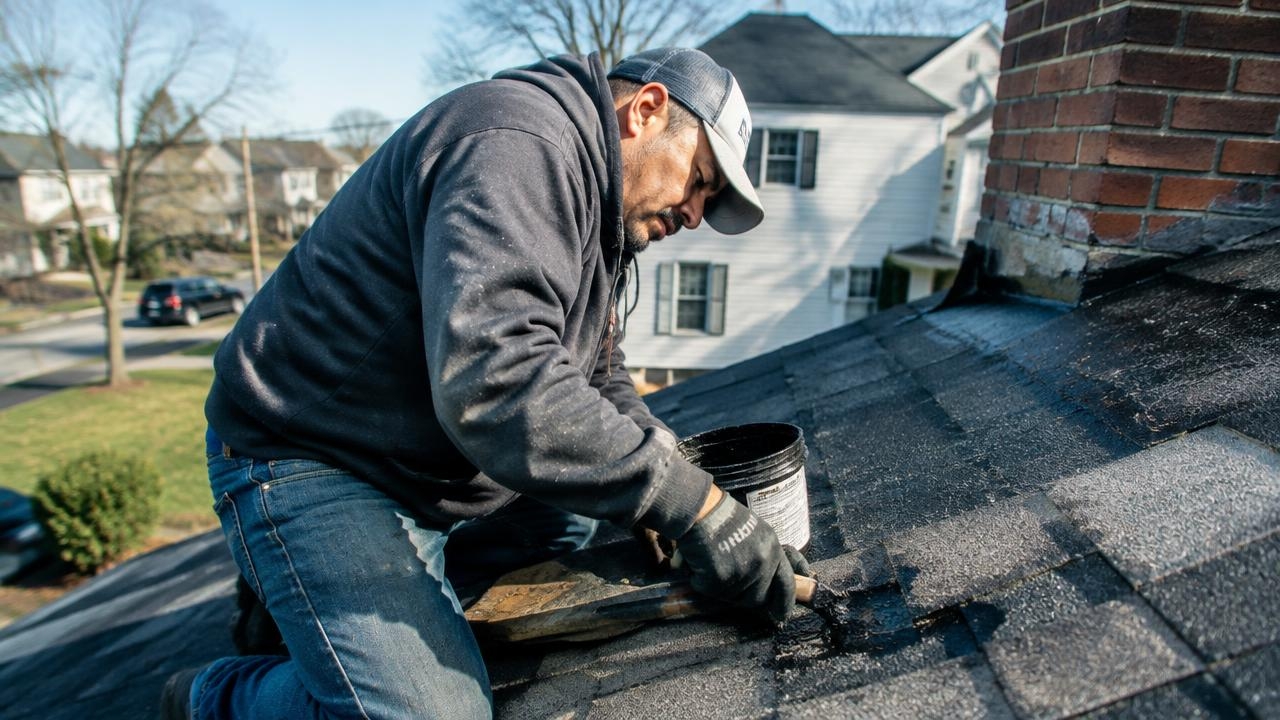
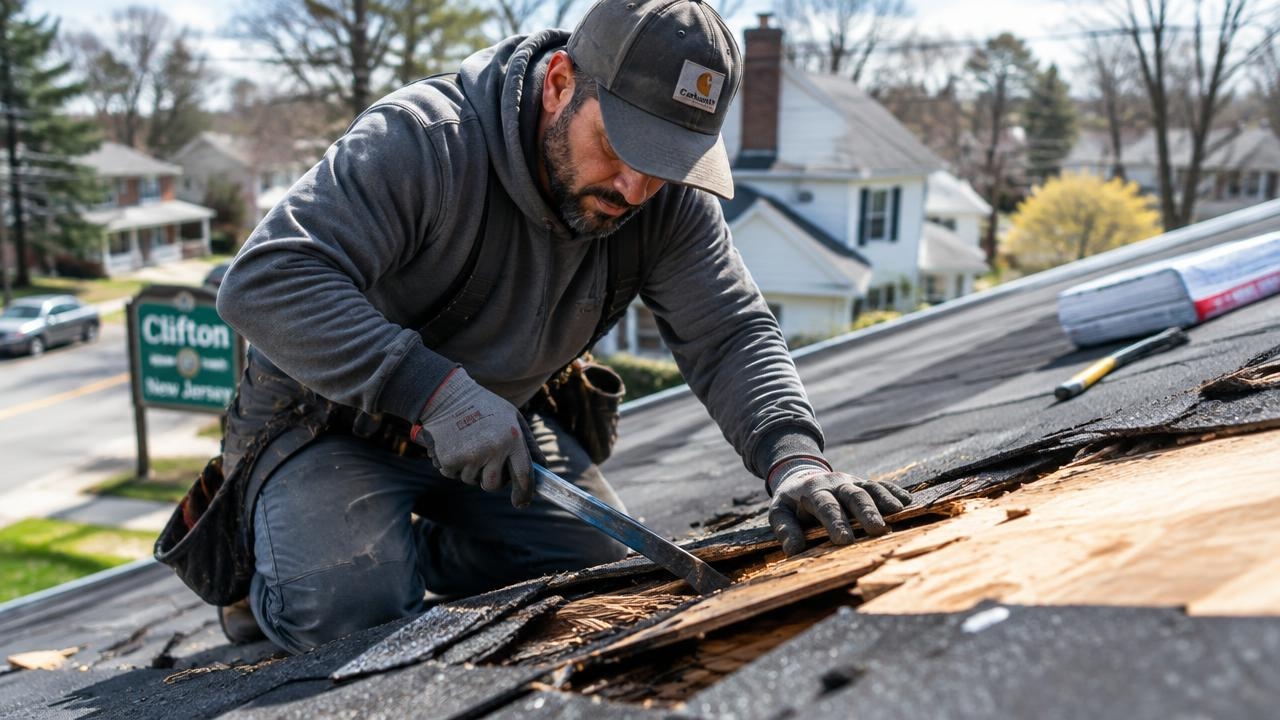
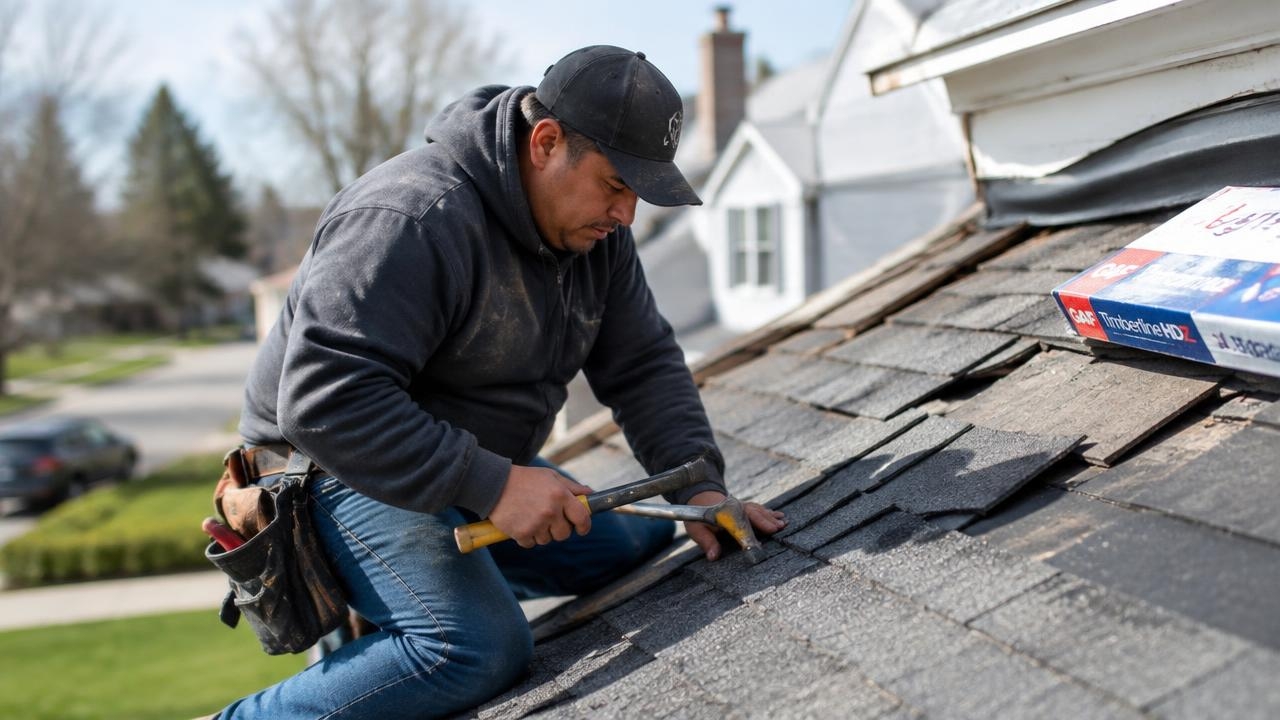
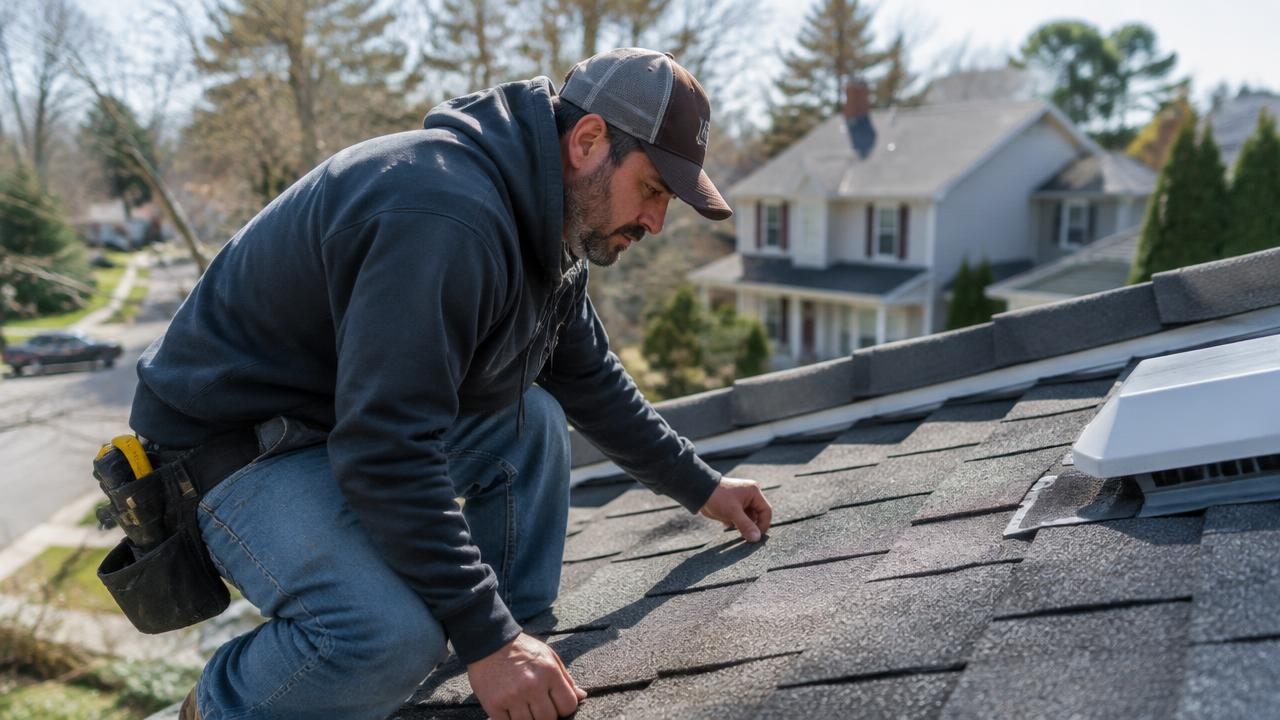
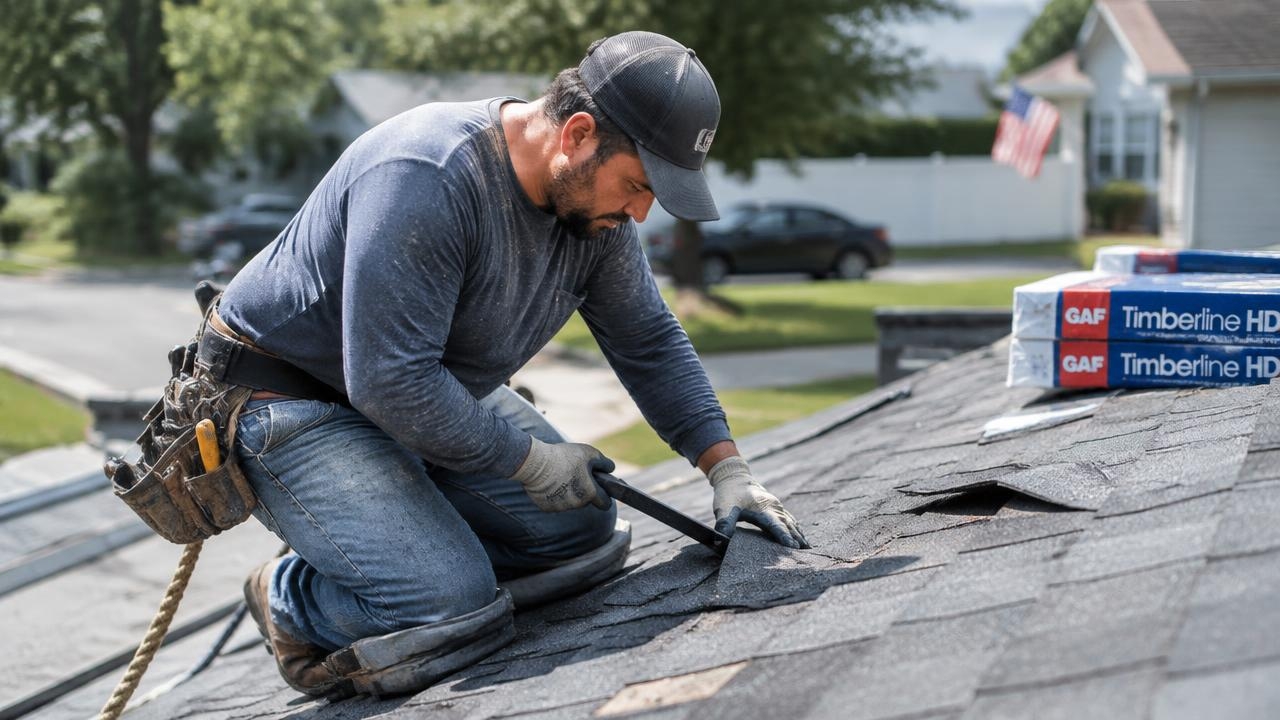
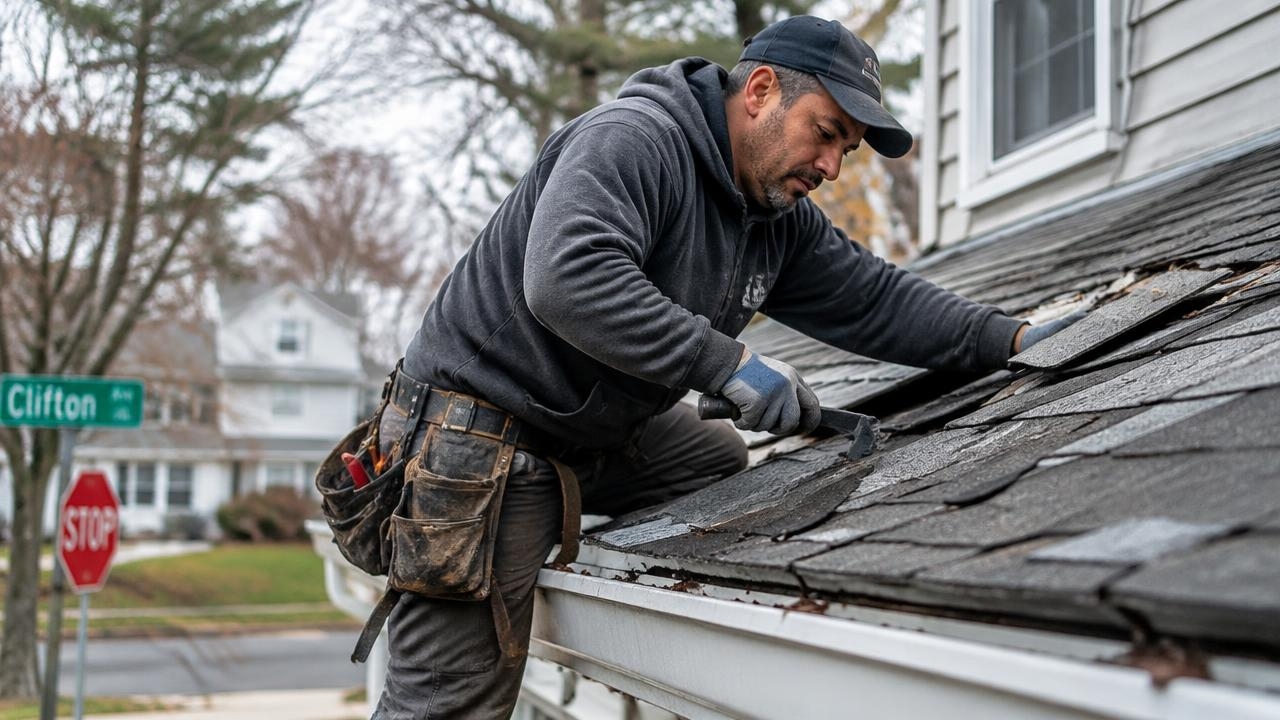
Plenty of Clifton calls are small on paper: a roof patch where a branch came down, shingle repair after wind lifts a corner, or a homeowner searching roof repair near me because water just came through a bedroom ceiling. Small does not mean trivial — a roof patch done with the wrong material, or shingle repairs that ignore the underlayment, are how a minor fix becomes next season's bigger job.
That is the standard a roof repair contractor should be held to in Clifton: find the cause, repair roof sections so they shed water the way the slope was designed to, and leave the homeowner with photos and a straight answer about the rest of the roof. Whether the call is a midnight emergency or planned maintenance in the fall, the roofing standard does not change.
Questions Clifton homeowners ask us
Can roofing be done in winter?
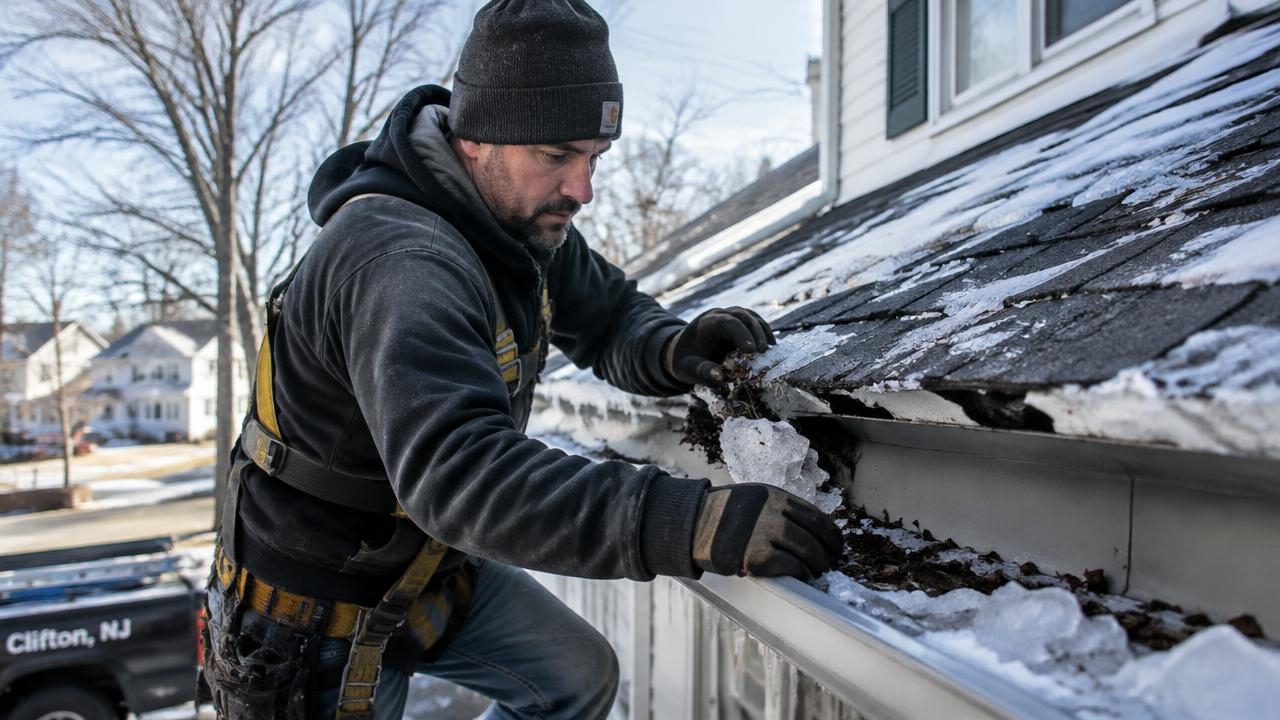
Yes, with limits. Sealants and shingles behave differently in the cold, so winter roofing favors mechanical fastening and temporary dry-in measures, with permanent sealing finished when temperatures allow. A leak does not wait for spring, and neither should the response.
Will new shingles match the existing ones?
Close, rarely perfect. Shingle colors weather from the day they are installed, so new shingles in the same product line still read slightly darker. On street-facing slopes we talk through the options — including harvesting shingles from a less visible slope — before anyone is surprised.
Do you serve my neighborhood?
Clifton is the home turf: Allwood, Athenia, Botany Village, Delawanna, Dutch Hill, Lakeview Heights, Montclair Heights, Richfield, Rosemawr, and the rest of the city's neighborhoods, plus the Passaic County streets that border them.
Who are the roofers on the crew?
The crew on a job is the same crew who inspected it — no hand-offs to strangers, and the person who found the problem is the person who fixes it.
Do you handle roof replacement or just repairs?
Both — repairs are most of the calls, but when a roof is worn out everywhere, we will say so and quote the replacement honestly instead of patching forever.
How often should a roof get inspected?
Once a year, and after any storm that drops branches — most of what we fix started as a ten-minute catch the season before.
How do I reach a real person for a quick answer?
Use the estimate form on this page; during business hours a person answers, and after hours the first call back comes in the morning.
How much does it cost?
Cost follows the cause: a vent boot, a flashing rebuild, and a rotted valley are three different jobs at three different prices, which is why any honest number starts with a look at the roof itself rather than a phone quote.
What are the signs of roof damage?
Ceiling stains, peeling paint under the eaves, musty attic smells, shingles in the yard after a storm, and granules piling up at the downspouts — each one is a repair conversation worth having before the next rain.
Can you fix just part of a roof?
Yes — section repairs and single-slope work are common, as long as the surrounding shingles are still pliable enough to weave new material in without cracking everything they touch.
Do repairs come with a warranty?
They should: workmanship in writing from the roofer, and the shingle manufacturer's warranty on the materials that went in. The exact terms are a business fact, and they go on this page when Paul supplies them.
What should I do right after I spot a leak?
Protect what's under it, note where the stain is, take photos, and call for the repair — a documented leak, caught early, is the cheapest version of this problem there is.
Are permits needed?
Like-for-like repairs usually are not a permit conversation in New Jersey the way a full tear-off can be, but structural decking work can change that — another answer confirmed against the actual job, not guessed at here.
More roofing notes for Clifton homeowners
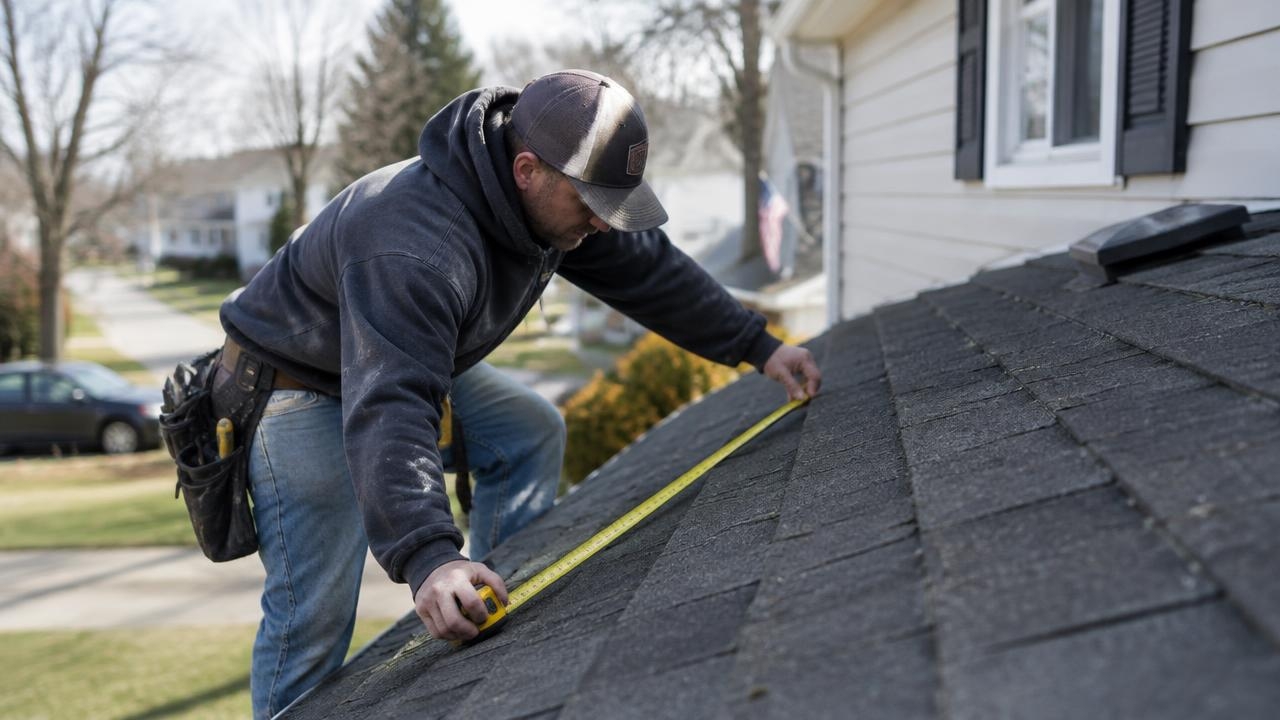
Good roofing starts with a roof inspection: shingles, flashing, decking, and ventilation, all photographed before anyone talks numbers.
When the damage is too widespread for a patch, a full roof replacement protects the house for decades; when it is local, a targeted fix is the honest recommendation.
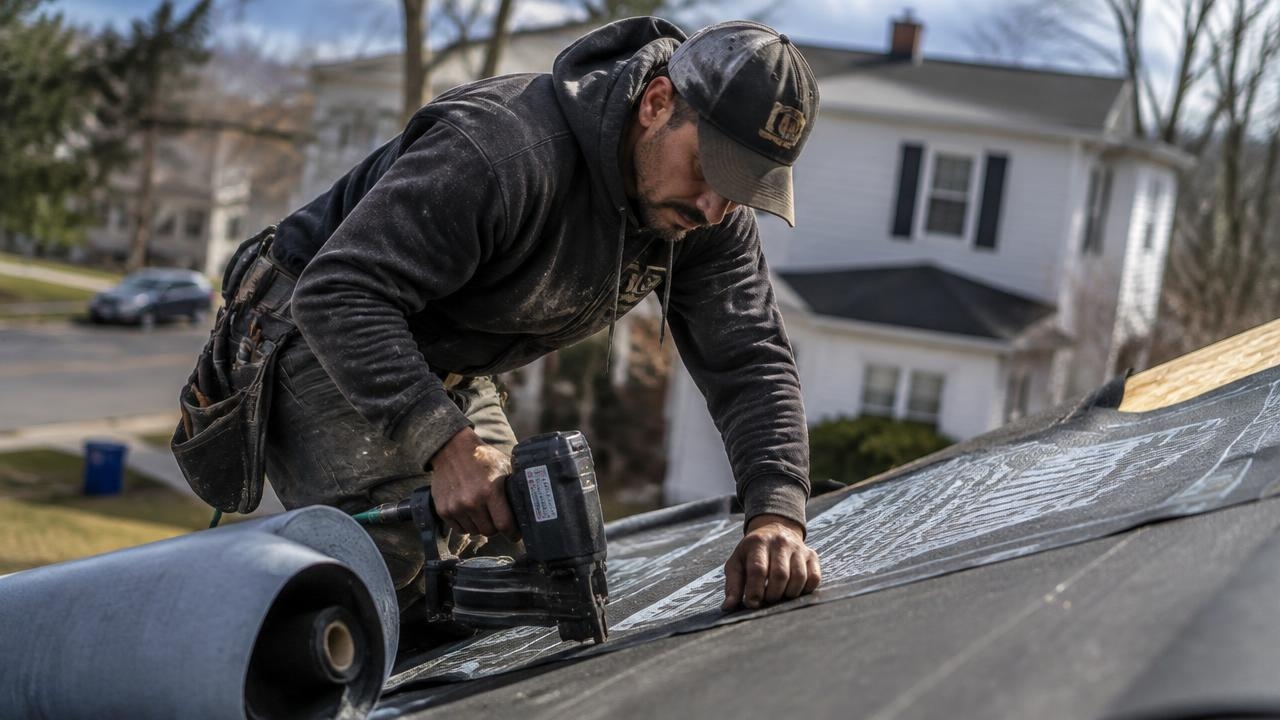
A proper installation matters as much as the materials: underlayment, ice-and-water shield, and drip edge installed in the right order.
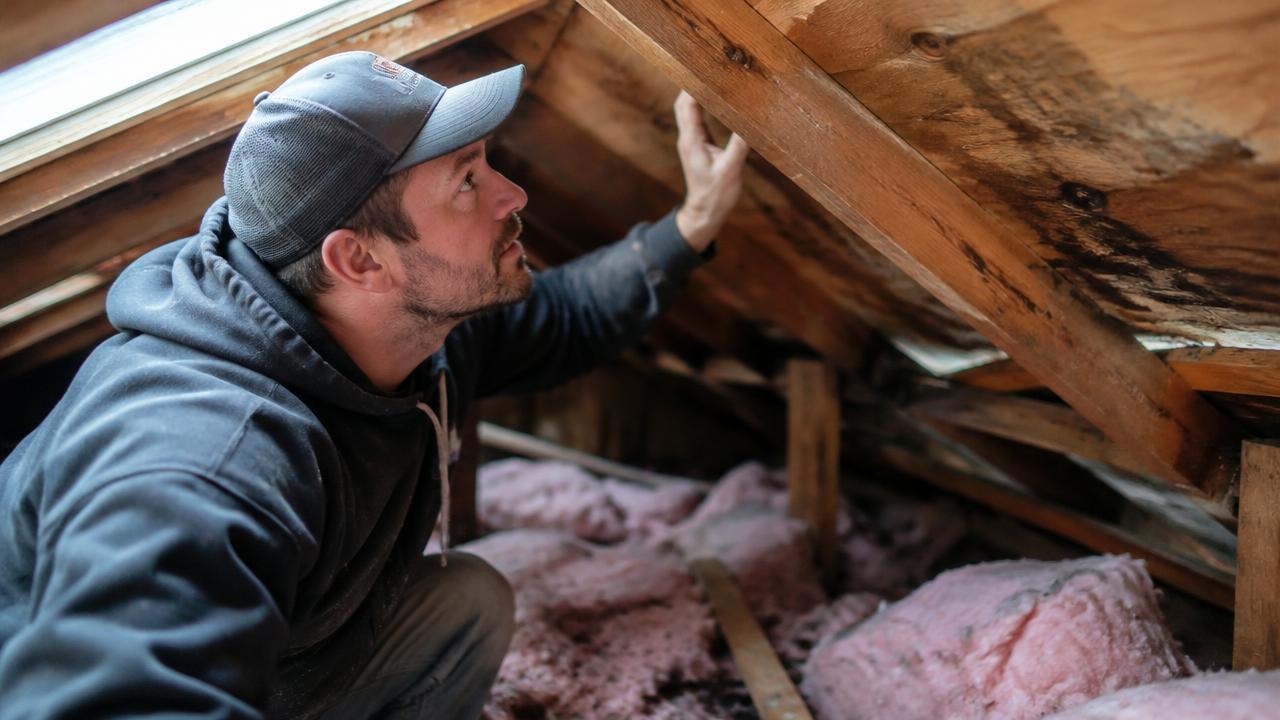
A home built in the 1950s or 60s often hides its roof problems in the attic first — stains on the underside of the decking show up long before a drip reaches the ceiling.
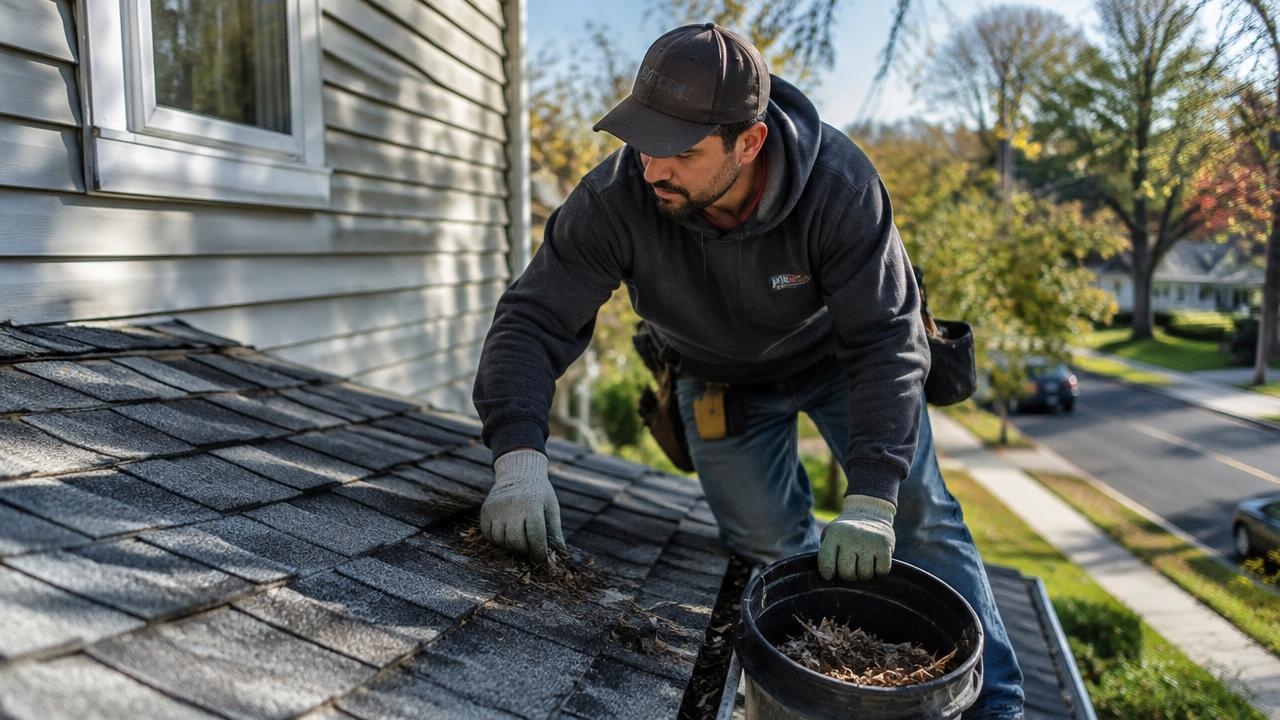
Roofing crews see the same pattern every fall: gutters full of granules, moss on the north slope, and sealant that gave up over the summer.
For flat and low-slope sections, roofing membranes and coatings follow their own rules; ponding water decides what lasts.
Homeowners comparing a roof replacement quote should ask what the tear-off, decking, and disposal line items include — and what they leave out.
Installation crews stage materials so a home stays livable during the work: tarps down, magnets out, and a walkthrough at the end of each day.
A second roof replacement is rarely the first answer — but when curling and granule loss cover every slope, replacing beats patching.
A clean installation leaves nothing behind but the new surface: no nails in the driveway, no shingles in the shrubs.
Roofing questions are welcome before, during, and after the job; a straight answer costs nothing.
Winter roofing work is mostly emergency dry-in and careful sealing; permanent fixes wait for temperatures that let materials bond.
Spring roofing checks catch what winter hid: split boots, lifted ridge caps, and flashing pulled by ice.
Summer roofing schedules fill fast after the first big storm, so an early inspection beats the rush.
A roofing company earns its keep in the details nobody sees from the street — fasteners, overlaps, and ventilation.
Good roofing also means knowing when not to sell work: a sound roof with one bad boot needs a boot, not a tear-off.
Homeowners who keep roofing records — dates, photos, and invoices — make every future visit faster and cheaper.
Roofing contractors who photograph their work before and after have nothing to hide; ask for the photos and judge for yourself.
Roofing is a trade of small tolerances: a quarter inch at the flashing is the difference between dry and soaked.
Every roof tells its history: a repair done right blends in, and a repair done cheap shows up as the next stain on the ceiling.
Roofing in northern New Jersey has to handle all four seasons in a single month sometimes — ice in March, heat in June, and a nor'easter whenever it pleases.
When storm damage knocks shingles loose or drops a branch through the decking, the first visit is about making the home watertight, not selling anything.
Ask any contractor about warranties before the job starts: a written warranty on workmanship, and the manufacturer warranty on the shingles, are two different documents.
A roof estimate should name the problem, the fix, and the number — if an estimate will not say what it covers, it is not really an estimate.
Some homes need gutter services on the same visit, because the leak at the ceiling line is often a flashing or gutter problem wearing a roof costume.
New construction and older housing stock fail differently: new builds leak at details that were rushed, and older homes leak where the original surface simply wore out.
The price of waiting is the number nobody quotes: a small leak this spring is a decking replacement by fall, and the difference is not small.
A building with a low-slope section behind a parapet needs its own inspection rhythm — ponding water there does not behave like water on a pitched roof.
Good installation is invisible from the street: starter strips, ice shield at the eaves, and shingles coursing straight are what an installation crew is really selling.
If you are reading this in Clifton, NJ today, wondering whether that stain can wait — it cannot, but it can almost always be fixed smaller than you fear.
Roofing questions we hear most: how long will it last, what does it cost, and who stands behind it — a roofing company should answer all three in writing.
A roof replacement conversation should include the ventilation plan; without airflow, a new roof cooks from underneath and the shingles age twice as fast.
Homeowners sometimes ask whether a roofing repair or a patch is the same thing — a patch is one kind of repair, and the right one depends on what failed underneath.
To contact a real person about your roof, use the estimate section at the bottom of this page — a person reads every message, not a machine.
Roofing maintenance is the cheapest roofing there is: a yearly look, a tube of sealant, and a cleaned valley beat any emergency call.
A roofing inspection after any major storm takes twenty minutes and answers the only question that matters: did anything move?
Local roofing lives on referrals, so every job has to be right when nobody is watching — especially then.
A roof over a colonial and a roof over a split-level ranch age differently, and a roofer who works both knows where each one hides its problems.
Roofing decisions get easier with photos: a roofing crew that shows you the cracked boot and the lifted shingles does not need to convince you of anything.
Get a roof repair estimate in Clifton, NJ
If your roof is leaking, missing shingles, or just old enough that you want a straight answer, start with an inspection from a roofing crew.